A practical guide to choosing the right Australian visa type for travel, study, family, work, innovation, business or protection needs.
Australia is a top choice for individuals seeking to study, work, visit family, build a career or establish a new life abroad. With over 100 Australian visa types, the country offers pathways for different goals, timeframes and personal circumstances.
This article gives you a practical overview of Australian visas in 2026, including visitor, partner, family, student, skilled, business, protection and innovation pathways. It also explains how to apply for a visa, where visa state nomination fits, and when specialist advice may be needed.
Start with your purpose, not the subclass number: A short visit, a family reunion, a skilled migration plan and a protection claim are very different pathways. Choose the purpose first, then check the subclass, eligibility, location rules, fees and evidence.
The right Australian visa depends on your goal, location, eligibility, timing and supporting evidence.
Australian visa types: quick overview
Our extensive list covers the most popular Australian visa options, including Partner visa, Family visa, Skilled visa, Student visa and Visitor visa. Some applicants also need a specific pathway such as the 461 visa, protection visa Australia, business visa Australia or the national innovation visa.
Travel and short stay
Visitor visa 600, ETA 601, eVisitor 651 and working holiday options for tourism, family visits, short business activities or a work travel visa plan.
Study and graduate
Student 500, Student Guardian 590 and graduate pathways for people studying in Australia or planning post-study options.
Migration and long-term stay
Partner, family, skilled, employer-sponsored, state-nominated, protection, business and innovation pathways.
Goal
Common visa options
Planning point
Visit Australia
Visitor 600, ETA 601, eVisitor 651
Check passport eligibility before choosing an e visa or Visitor visa.
Join family
Partner, Parent, Child and relative visas
Relationship, sponsorship and evidence rules are central.
Work or migrate
189, 190, 491, 482, 186, 494
Skilled options may require occupation lists, skills assessment, points and visa state nomination.
Exceptional talent, business or safety
858 visa, business visa Australia pathways, protection visa
These pathways are highly evidence-sensitive and should be checked against current criteria.
Partner visa and family visa options
Partner visa
A Partner visa allows you and your partner to settle in Australia. If you are preparing to apply, reviewing partner visa requirements will help you understand eligibility, required documents and sponsorship rules before choosing the right subclass.
For couples living apart and preparing to reunite through a permanent pathway, the Subclass 309/100 visa is often the most suitable offshore option, providing a two-stage route toward long-term residence in Australia.
Partner visa pathways such as the Subclass 309/100 visa remain among the most popular family-based options within the broader Australian visa types framework.
Family visa
A Parent visa allows parents of an Australian citizen, permanent resident or eligible New Zealand citizen to come to and live in Australia:
Parent visa – Subclass 103: The applicants don’t need to pay a significant amount of contributory money when applying for the visa.
Carer visa – Subclass 116: Allows individuals to come to Australia to care for relatives with long-term or permanent medical conditions.
If you intend to bring parents to Australia instead of settling as a partner, exploring options under the parent visa Australia will help determine whether contributory or non-contributory streams fit your family’s financial and timing expectations.
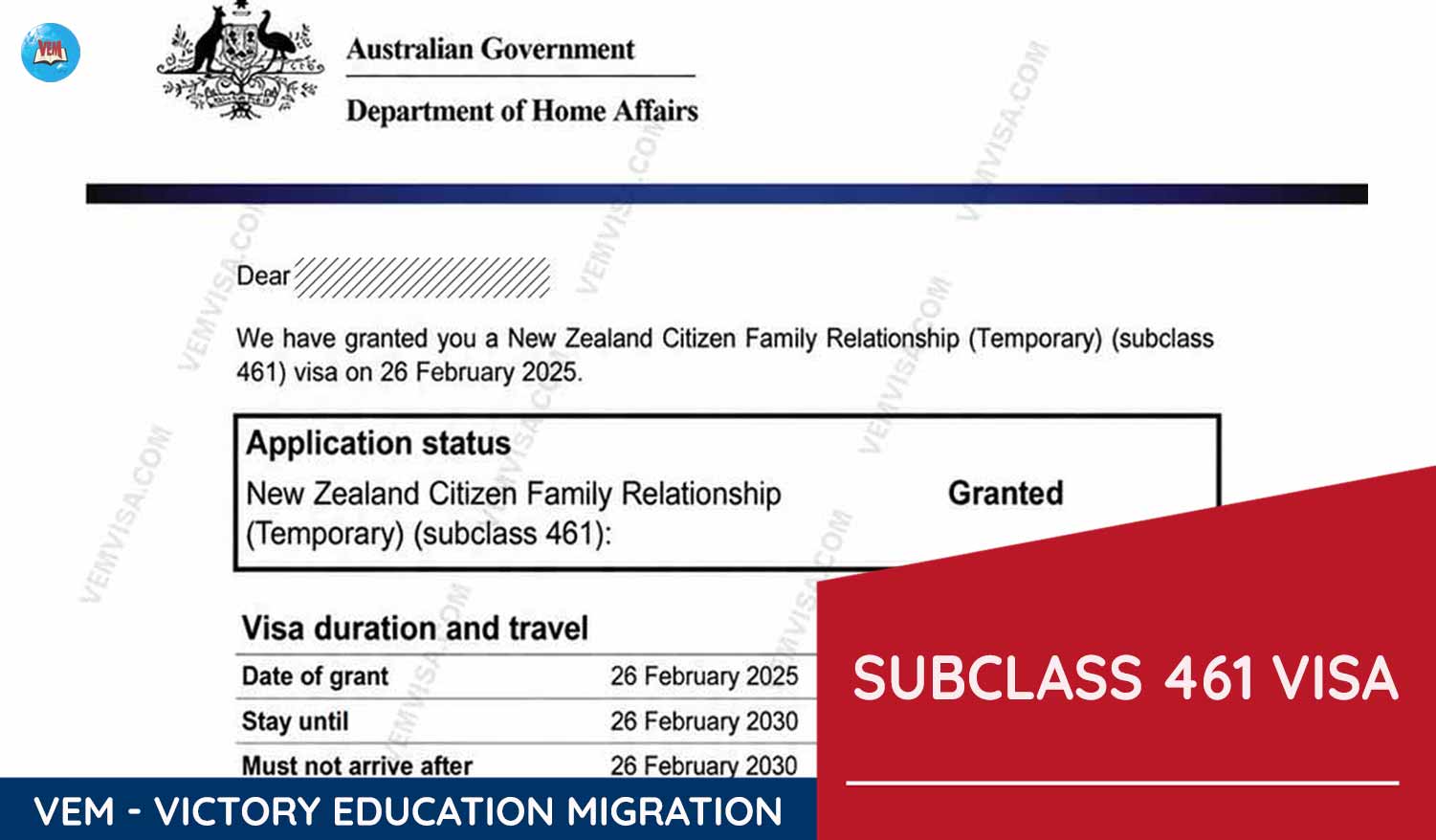
Some applicants also consider alternative relative pathways like the 838 visa if their family circumstances meet the dependency criteria. The 461 visa may also be relevant for eligible family members of a New Zealand citizen where the specific relationship and visa settings apply.
Student visa options
A Student visa allows students and their dependants to come to Australia for study-related purposes.
Student visa – Subclass 500: Allows international students to come to Australia for study.
Nurses or healthcare students planning a long-term migration pathway often later complete an ANMAC skill assessment to access skilled visa options after graduation.
Visitor visas, e visa options and work travel visa pathways
A Visitor visa allows you to visit Australia for a specific period for travel or business purposes. If you are searching for an e visa, the most common short-stay electronic options are usually ETA 601 and eVisitor 651, depending on your passport.
Visitor visa – Subclass 600: This visa allows you to travel to Australia for tourism or to visit family.
Electronic Travel Authority – Subclass 601: Often searched as electronic travel authority eta visa australia, this option is for eligible passport holders and is linked electronically to the passport.
eVisitor – Subclass 651: A short-stay online visitor option for eligible passport holders, often used for tourism or business visitor activities.
Do not confuse visitor work rights: A Visitor visa is not a work visa. If your goal is to travel and work, check a working holiday or work travel visa option instead of assuming you can work on a tourist stream.
Skilled visa and visa state nomination pathways
Skilled visas are one of many visa options that allow international workers to come to Australia to work in their skilled field. Some applicants need state or territory nomination, which is why searches such as visa state nomination or state nominated visa are common.
Business visa Australia and national innovation visa options
A business visa Australia pathway may suit founders, investors, business owners or senior professionals, depending on current program settings and whether the pathway is open to new applications. The national innovation visa and 858 visa sit in a very different category: they target people with exceptional, internationally recognised achievement or innovation capacity.
Business and innovation pathways are not general “pay to migrate” options. Applicants normally need strong evidence of business activity, achievement, nomination, invitation or another formal eligibility setting. Because these programs change more often than basic visitor pathways, use current Home Affairs pages and professional advice before building a strategy.
Protection visa Australia
Protection visa Australia is a serious humanitarian pathway for people seeking Australia’s protection obligations. A protection visa is not a backup option for people who simply want to stay longer after a refused student, visitor or work visa. It requires specific facts, evidence and legal analysis.
High-risk pathway: Protection claims can have major consequences for the applicant and family members. Do not lodge a protection claim because someone online said it is an easy way to remain in Australia. It is not paperwork cosplay, unfortunately.
Australia visa processing times
Processing times vary by visa type and are set by the Department of Home Affairs. Visitor visas are usually processed faster than many family visas. Student visa processing times vary depending on the course, visa subclass and whether the application is complete.
Check the official processing times guide before making travel, study or relocation commitments.
A complete application can reduce avoidable delays, but no processing-time tool guarantees an individual outcome.
Health checks, biometrics, background checks, missing documents and complex history can extend processing.
Australia visa application fees
Australian visa costs can vary depending on the type of visa you are applying for. Some family, business, protection-related or innovation pathways can involve different fee structures, exemptions or additional charges.
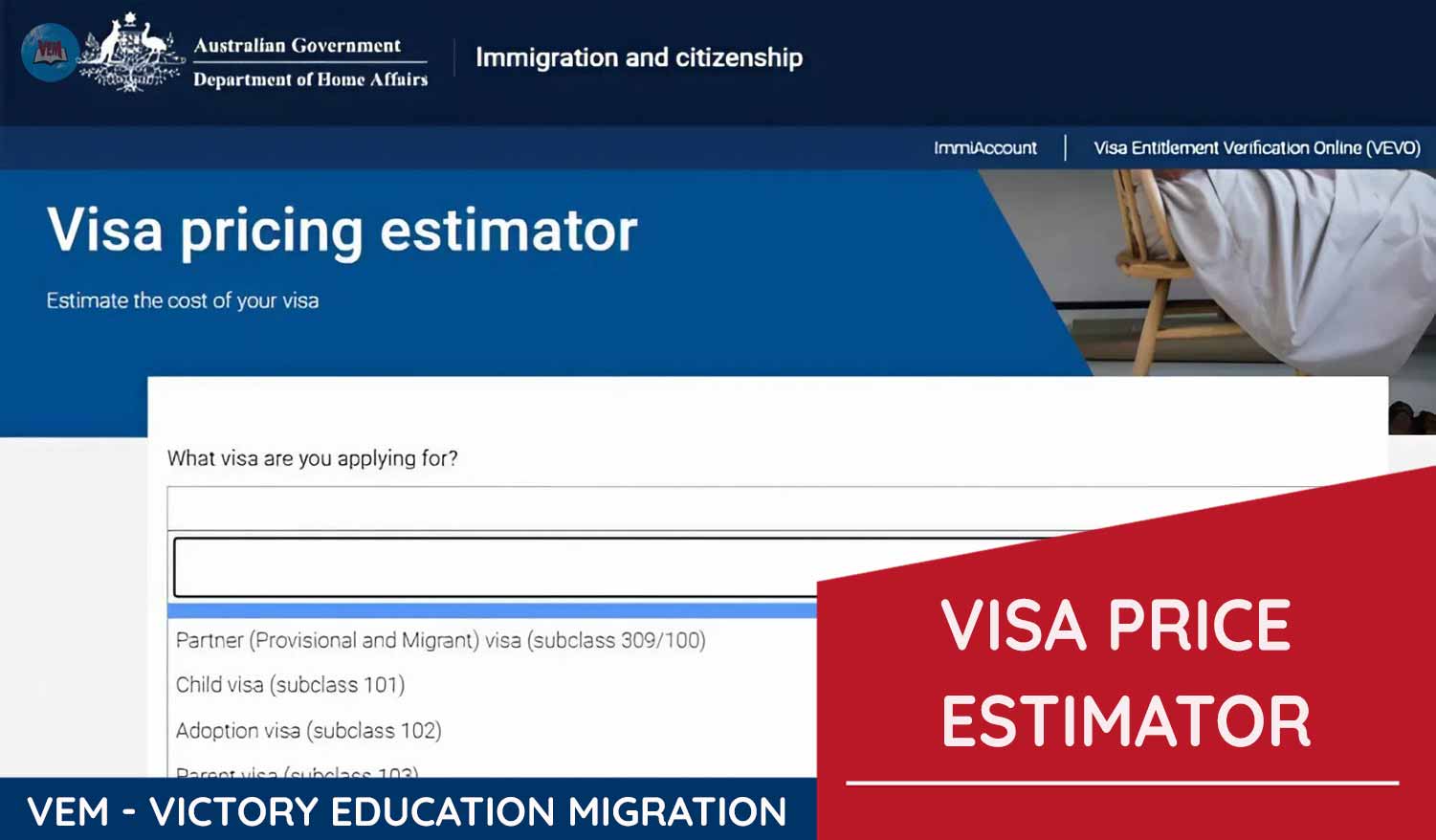
For planning, do not rely on old fee tables. Use the Home Affairs Visa Pricing Estimator and the current visa pricing table before lodgement. In short, choose the Australian visa that best suits your purpose, then confirm fees, documents and timing before you submit.
How to apply for Australian visas?
Most visas are lodged online via ImmiAccount. The exact process depends on the subclass, stream, whether you are in or outside Australia, and whether nomination, sponsorship or invitation is required.
Step 1. Define your goal
Confirm whether you want to visit, study, work, join family, seek protection, invest, innovate or migrate permanently.
Step 2. Choose the correct visa type and stream
Check eligibility, location requirements, age rules, occupation rules, sponsorship and visa state nomination settings where relevant.
Step 3. Prepare evidence
Attach evidence that is specific, current and relevant. Avoid duplicates and translate non-English records with accredited translators where required.
Step 4. Lodge online and pay the charge
Create or access ImmiAccount, complete the form, upload documents and pay the applicable visa application charge.
Step 5. Monitor requests and your visa status
While applying, you can check your visa status to keep track of it and respond to any Department request.
Tips for a smooth Australian visa application
Before you start, one strong planning session can save weeks later.
Know your goal and timeline.
Check the occupation list and points if applying for a skilled visa.
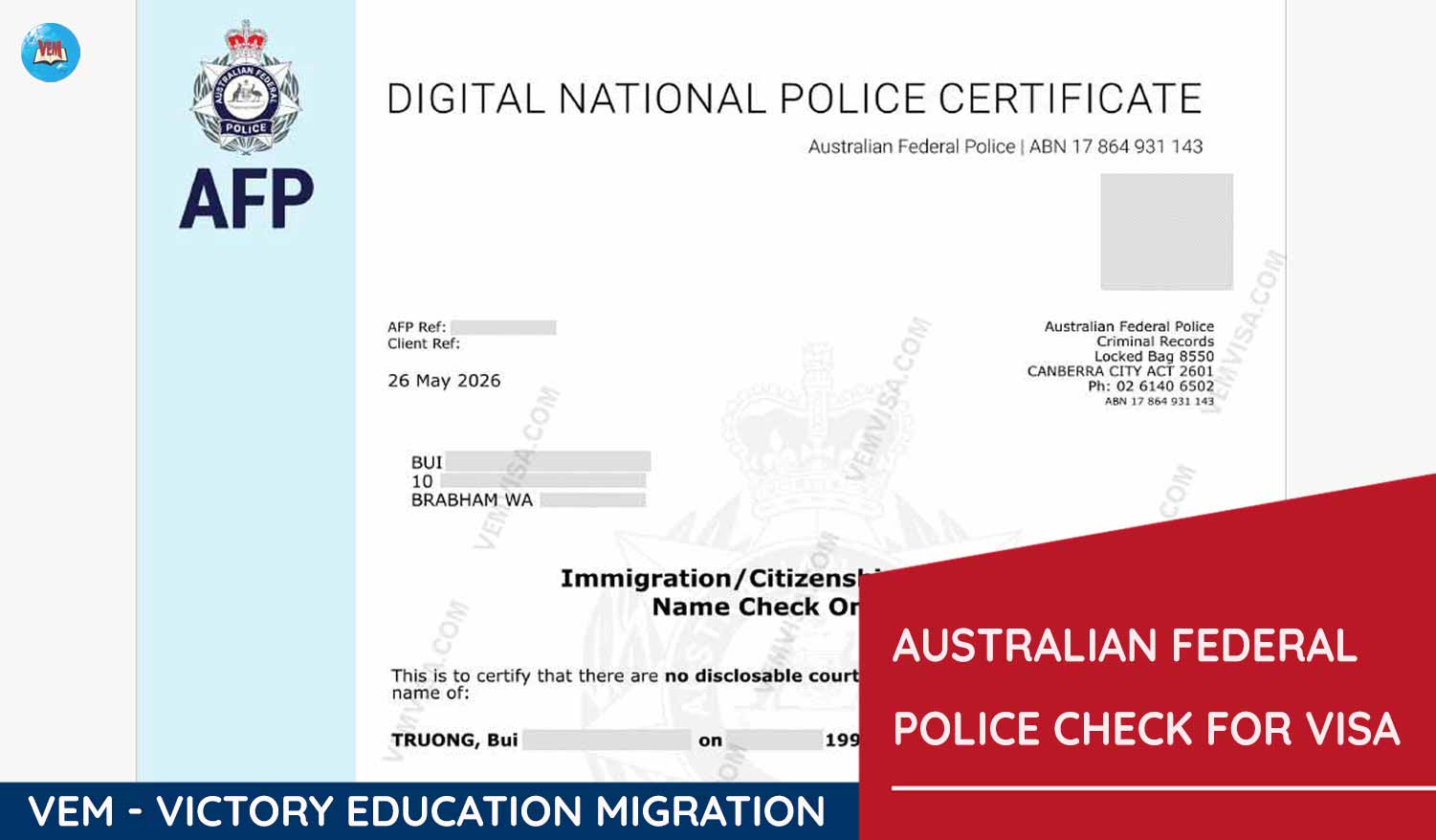
Confirm your passport and police certificates timing.
Budget for all charges, not just the visa fee.
Order health exams only when instructed.
Track state nomination if applying for subclass 190 or 491.
Keep copies of everything.
A clear document strategy helps case officers verify facts faster and reduces avoidable follow-up requests.
Common problems you should avoid
Missing the right stream: Applying for the wrong subclass or stream can burn time and money.
Weak evidence: Relationship, work, study, business or protection claims need documents, not just statements.
Poor travel planning: Leaving and re-entering during processing can affect bridging visas and conditions.
Ignoring conditions: Work limits for students, location rules for 491 holders and no further stay conditions on visitors are enforceable.
Using outdated rules: Settings change. Always read the current instrument or the official page for your subclass before you submit.
Choose the Australian visa pathway before you lodge
A pre-lodgement review can help identify the right subclass, evidence gaps, timing risks and whether you need sponsorship, nomination, invitation or a different pathway. If you need assistance, a registered migration agent or immigration lawyer can help map a strategy and timing.
It depends on your passport, purpose and circumstances. Some people can use an electronic visitor option, while others need a Visitor visa 600 or a more complex family, skilled or business pathway.
Is ETA the same as an eVisitor visa?
No. ETA 601 and eVisitor 651 are separate electronic visitor options with different passport eligibility settings. Check the official page before applying.
What is visa state nomination?
It usually refers to nomination by an Australian state or territory, commonly relevant to skilled visas such as subclass 190 or 491. Rules vary by state and occupation.
Is a protection visa a way to stay longer in Australia?
A protection visa is for people who engage Australia’s protection obligations. It is not a general stay-longer option and should only be considered where the legal criteria genuinely apply.
Can I switch from a visitor visa to work or skilled migration?
Possibly, but it depends on your current visa conditions, whether you are in Australia, whether any “No Further Stay” condition applies, and whether you meet another visa’s criteria.
Mr. Phong Cao is a licensed migration agent by MARA (MARN: 1577877). He is also a member of the Migration Institute of Australia (MIA: 12648), one of the most reputable organizations in the field of immigration in Australia. In addition, Mr. Phong Cao holds a QEAC certification in study abroad consulting (QEAC: K580) and Australian real estate investment (RA85931). With over 12 years of experience in Australian immigration, he provides comprehensive solutions for studying and settling in Australia.

 VN


 Người
đăng
 Ngày
cập nhật: