Australian Family Visas: Types, Eligibility And Process
VEMVisa | Australian Family Migration
A practical guide to choosing an Australian family visa for a partner, parent, child or other eligible relative, then planning the evidence, cost and application process.
Australian Family Visas provide pathways for eligible partners, parents, children and certain other relatives of Australian citizens, Australian permanent residents or eligible New Zealand citizens. Depending on the subclass, the outcome may be a temporary stay, a staged pathway or permanent residence.
Start with the family relationship and required outcome: A spouse applying onshore, a parent seeking a long temporary stay, a dependent child outside Australia and a relative providing medical care are assessed under very different subclasses. Choose the pathway first, then build the document checklist.
Australian family migration is a group of visa pathways designed to reunite eligible family members in Australia. Home Affairs organises the main options around partners, parents, children and other family relationships. The relevant Australian relative commonly acts as a sponsor, but the sponsor’s eligibility and responsibilities vary by subclass.
Some family visas are temporary. Others are permanent from grant, or begin with a temporary or provisional stage before later permanent assessment. The applicant’s location at application or decision stage can also be critical.
Home Affairs grants Partner and Child visas on a demand-driven basis. Parent and Other Family programs operate differently: most permanent applications are subject to annual limits, processing priorities and queues. This difference affects how families should plan travel, insurance, living arrangements and long-term costs.
Partner stream
300, 309/100, 820/801
For a spouse, de facto partner or prospective spouse.
Parent stream
7 main options
Temporary, contributory, standard and aged pathways.
Child stream
101, 102, 445, 802
For dependent, adopted or temporary-stage dependent children.
Other family
Carer and relative visas
Narrow eligibility and frequently long queues.
Which family visa stream should you explore?
Use the relationship to the Australian sponsor as the first filter. Then check whether the applicant is inside or outside Australia, whether the intended outcome is temporary or permanent, and whether age or dependency rules apply.
Family situation
Visa stream to explore
First planning question
Spouse or de facto partner
Partner 820/801 or 309/100
Will the applicant lodge in Australia or outside Australia?
Engaged couple planning to marry
Prospective Marriage 300
Can the couple meet the marriage and timing requirements?
Parent of an eligible child in Australia
Parent, Contributory Parent, Aged Parent or 870
Temporary stay or permanent migration, and what waiting period is realistic?
Dependent child of an eligible parent
Child 101 or 802
Where is the child, and do age, study, dependency and custody rules fit?
Child adopted outside Australia
Adoption 102
Does the adoption arrangement meet the relevant Australian rules?
Relative needed for long-term care
Carer 116 or 836
Is the medical-care need formally assessed and is reasonable care unavailable in Australia?
Only close relatives are in Australia
Remaining Relative 115 or 835
Does the applicant meet the strict “only near relatives” test and accept a long queue?
A visitor visa is not a substitute for a migration strategy.
A relative may be able to visit Australia while considering longer-term options, but visitor visa conditions, genuine temporary stay requirements and any No Further Stay condition must be respected. Do not assume an onshore family application will be available later.
Partner visa stream
The Partner stream can reunite an eligible spouse, de facto partner or prospective spouse with an Australian citizen, Australian permanent resident or eligible New Zealand citizen. The correct route is primarily determined by the relationship stage and the applicant’s location when lodging.
820/801: apply in Australia
For an eligible spouse or de facto partner lodging onshore. The application covers the temporary subclass 820 and permanent subclass 801 stages.
Partner applications are relationship-evidence cases, not simply certificate-based cases. Home Affairs looks at the relationship as a whole, including financial arrangements, the nature of the household, social recognition and the couple’s commitment to a shared life.
Parent visas are for eligible parents of a settled Australian citizen, Australian permanent resident or eligible New Zealand citizen. Australia has permanent, contributory, aged and temporary sponsored options. The right choice depends on age, location, budget, Balance of Family Test results and whether the family needs temporary stay or permanent migration.
Permanent offshore pathways
Parent 103 and Contributory Parent 143. The temporary 173 can be used as the first stage of a two-step 173-to-143 pathway.
Parent visa planning should compare the intended stay, age and location rules, total cost, Balance of Family Test and current queue estimates.
Parent visas require long-term planning. Home Affairs currently estimates about 15 years for new Contributory Parent applications and about 33 years for new Parent and Aged Parent applications. These are estimates, not guaranteed decision dates. Subclass 870 is outside the permanent Parent queue.
Child visa stream
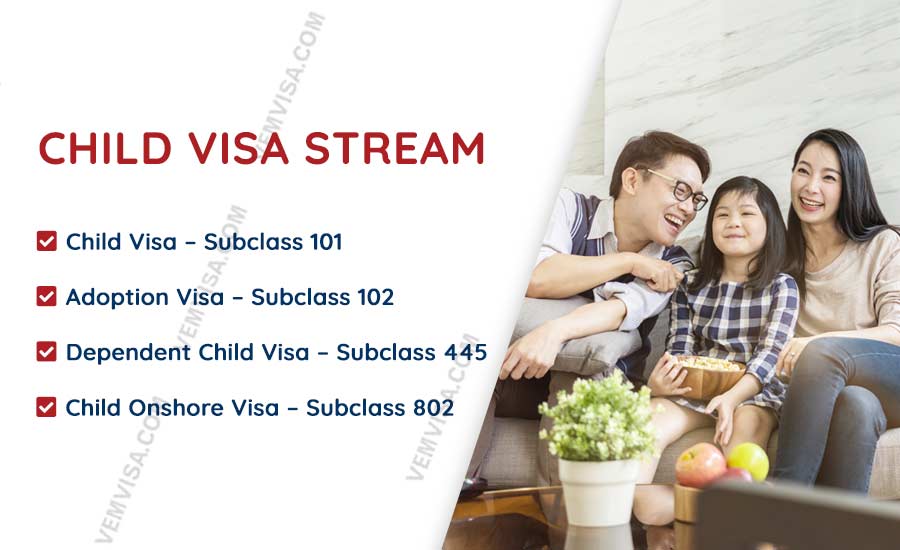
Child visas generally require an eligible Australian citizen, Australian permanent resident or eligible New Zealand citizen parent or sponsor. Age, dependency, marital status, custody, adoption arrangements and the child’s location are central to choosing the correct subclass.
A child of a parent holding a temporary Partner visa in relevant circumstances.
It is a temporary-stage visa linked to the parent’s Partner pathway.
For Child 101, Home Affairs states that the child may be under 18, aged 18 to 24 as a full-time student who is financially dependent, or over 18 and unable to work because of disability, subject to the full criteria. The child must also be single and dependent.
Custody and parental-consent evidence can be decisive. A visa application does not override family-law orders or another parent’s legal rights. Prepare birth records, identity documents, custody or consent evidence and dependency documents that match the subclass.
The child’s location, age, dependency, custody position and relationship to the sponsor determine which Child visa pathway should be assessed.
Other Family and relative visas
Other Family visas are narrow permanent pathways for certain relatives of settled Australian citizens, permanent residents or eligible New Zealand citizens. They are not general visas for siblings, cousins or extended family. Each category uses a specific legal test.
Aged Dependent Relative 114/838
For a single older person who has been financially dependent on an eligible relative in Australia. Subclass 114 is offshore; 838 is the onshore version.
For a person whose only near relatives are usually resident in Australia and are Australian citizens, permanent residents or eligible New Zealand citizens.
For a relative who will provide substantial and continuing care or assistance where the person in Australia has a qualifying long-term medical condition and reasonable care is unavailable.
These visas are capped and queued. As at 31 May 2026, Home Affairs estimated about 12 years for new Carer visa applications and about 22 years for new Remaining Relative and Aged Dependent Relative applications. Eligibility must be established before an application receives a queue date.
Australian family visa requirements
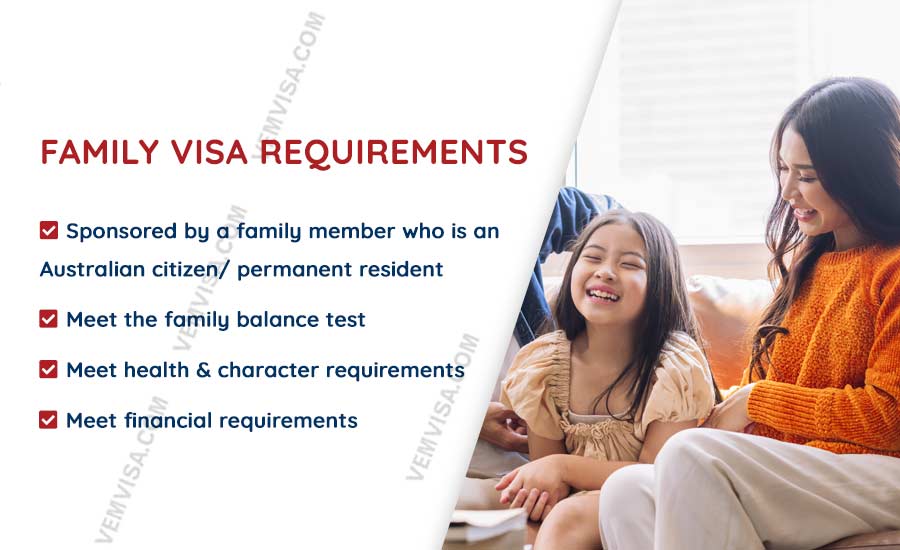
The exact Australian family visa requirements depend on the subclass. However, most applications need to establish the family relationship, the sponsor’s eligibility, the applicant’s identity and location, and the relevant health and character criteria.
Applicant evidence
Identity, civil-status and family-relationship documents.
Evidence that the relationship meets the selected subclass definition.
Correct location at application and, where required, at decision.
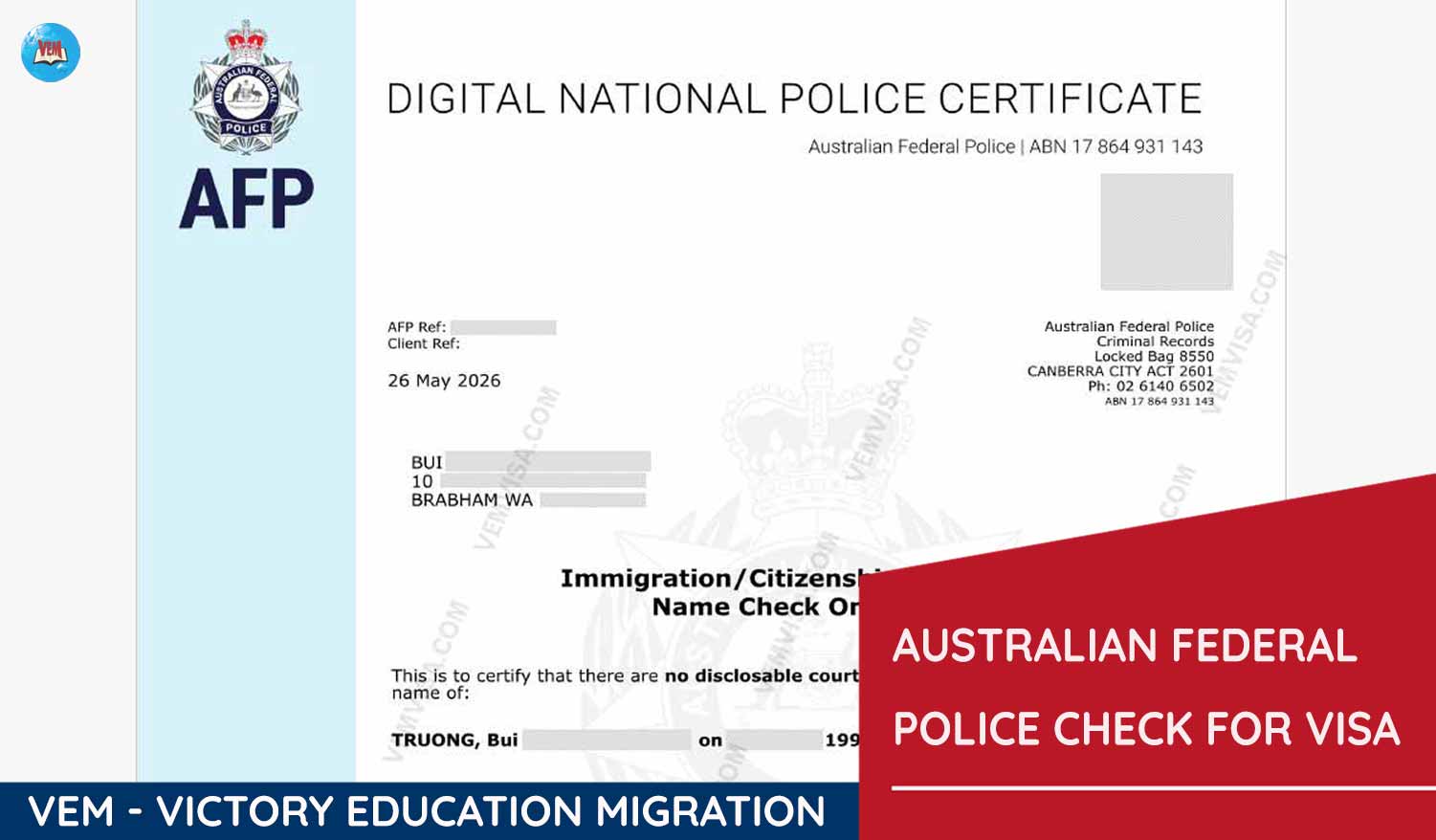
Health examinations, police certificates and biometrics when requested.
Evidence supporting age, dependency, custody, care or family-balance criteria where relevant.
Sponsor evidence and obligations
Australian citizenship, permanent residence or eligible New Zealand status.
Proof of the sponsor’s relationship to the applicant.
Evidence of being settled in Australia where the subclass requires it.
Sponsorship history, character information or income requirements where applicable.
Commitment to support, accommodate or assist the applicant for the required period.
Requirement area
How it changes by stream
Common evidence
Relationship
Genuine partner relationship, parent-child connection, legal adoption, dependency or care relationship.
Certificates, family register, court or adoption records, statements and financial documents.
Age and dependency
Important for Child, Aged Parent and Aged Dependent Relative visas.
Birth records, education evidence, financial support, disability or medical records.
Financial support
Sponsor undertakings, Assurance of Support or 870 sponsor income rules may apply.
Tax and income records, support history, bank evidence and AoS documents.
Location and visa history
Onshore and offshore subclasses are not interchangeable.
Current visa grant, VEVO record, travel history, refusal or cancellation records.
Health and character
Applies across family streams, with case-specific requests.
Medical examinations, police certificates, military or court records where relevant.
A complete family visa application connects the subclass criteria to consistent relationship, identity, sponsor, health and character evidence.
Family visa Australia costs in 2026
The figures below are selected primary-applicant charges checked against Home Affairs information current from 1 July 2026. They are not a quote for a complete application. Additional applicants, second instalments, card surcharges and subclass-specific costs can apply.
Visa group
Current published base or starting charge
Planning note
Partner 820/801, 309/100 or 300
From AUD 11,710
Limited concessions and different treatment for some 300 holders can apply.
Child 101/802, Adoption 102 or Dependent Child 445
From AUD 4,040
Confirm the exact subclass and additional-applicant charges.
Orphan Relative 117/837
From AUD 2,475
Child welfare, consent and relationship evidence remain central.
Carer 116/836
From AUD 2,720
Medical assessment and queueing are separate from the application charge.
Remaining Relative 115/835 or Aged Dependent Relative 114/838
From AUD 6,600
These applications are capped and queued and can involve two instalments.
Parent categories
From AUD 8,665 to AUD 49,900 for key permanent categories
Subclass 870 is currently AUD 6,370 for up to 3 years or AUD 12,440 for up to 5 years.
Budget for the complete migration process.
Possible additional costs include medical examinations, police certificates, biometrics, translations, document certification, private health insurance, travel, an Assurance of Support bond, professional fees and later-stage visa charges.
Australian family visa processing times
Family visa processing is not one timetable. Partner and Child visa estimates are based on recently decided applications and should be checked in the global processing-time guide. Permanent Parent and Other Family visas are generally capped and queued, so their information is published through queue release dates and long-term estimates instead.
Partner visas
20-month median
Home Affairs reported a 20-month median for Partner provisional/temporary visas for May 2026. The subclass tool remains the better case-planning source.
Parent visas
15 or 33 years
Current estimates are about 15 years for new Contributory Parent applications and 33 years for new Parent/Aged Parent applications.
Other Family visas
12 or 22 years
Current estimates are about 12 years for Carer and 22 years for Remaining Relative and Aged Dependent Relative applications.
Ministerial Direction 102 sets family-stream processing priorities. Applications by partners and dependent children generally sit above orphan relative, contributory parent, carer, and standard Parent or Other Family categories. Compassionate and compelling circumstances may be considered for priority on a case-by-case basis, but priority is not automatic.
Processing can also be affected by missing documents, response times, health or character checks, application complexity and migration-program availability. A complete application helps, but it cannot remove a statutory cap or queue.
How to apply for an Australian family visa
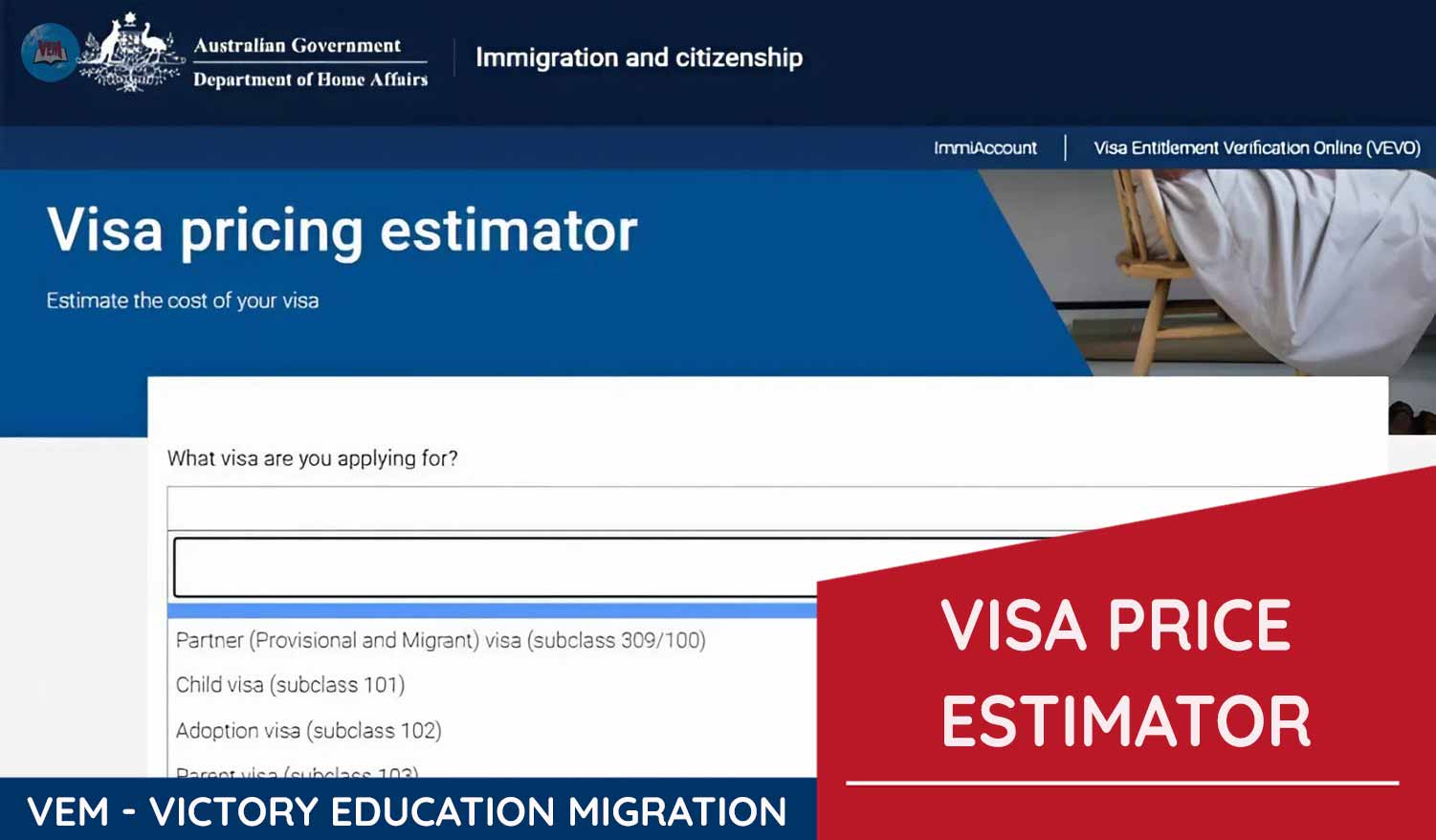
The application channel depends on the subclass. Partner visas are generally lodged online through ImmiAccount. Some Child, Parent and Other Family categories use subclass-specific online or paper procedures. Do not copy the process from a different visa page.
1
Identify the exact subclass
Match the relationship, applicant location, intended outcome, age and dependency rules.
2
Check applicant and sponsor eligibility
Review status, relationship, sponsorship history, settled residence, visa conditions and subclass-specific restrictions.
3
Build an evidence map
List each criterion, the evidence supporting it and any inconsistency that needs an explanation.
4
Use the correct lodgement method
Follow the “How to apply” instructions on the live Home Affairs subclass page and use the current form version.
5
Pay the applicable charge
Confirm the current first instalment, any later instalment, surcharge and additional-applicant amounts.
6
Complete post-lodgement requests
Respond to health, biometrics, police-certificate or further-information requests by the stated deadline.
7
Keep details updated
Notify Home Affairs about new passports, addresses, births, deaths, separation, sponsor changes or other material circumstances.
Do not lodge only to “hold a place” without testing validity. A wrong location, ineligible sponsor, incorrect form, unpaid charge or visa-condition problem can prevent a valid application or lead to refusal. For capped visas, failing the core criteria can also prevent assignment of a queue date.
Australian family visa document checklist
A useful checklist is subclass-specific. The categories below are a planning framework, not a universal upload list.
Document group
Examples
Why it matters
Identity and civil status
Passports, birth certificates, marriage, divorce, adoption and name-change records.
Establishes identity and legal family links.
Sponsor status
Australian passport, citizenship certificate, permanent visa evidence or eligible New Zealand records.
Shows that the sponsor fits the subclass.
Relationship evidence
Partner evidence, family register, support history, custody orders, dependency or care evidence.
Connects the facts to the visa’s legal relationship test.
Financial and household
Income, tax, transfers, accommodation, joint expenses, AoS or sponsor-income records.
Supports relationship, dependency and sponsorship obligations.
Visa and travel history
Current grant letters, VEVO, entry and exit history, previous applications and decisions.
Identifies location, validity and immigration-history issues.
Health and character
Health examinations, police certificates and requested declarations.
Addresses public-interest criteria.
Translations and explanations
Certified translations and concise statements explaining gaps, different spellings or unusual arrangements.
Prevents avoidable inconsistencies and makes the evidence easier to assess.
Common family visa planning mistakes
Choosing by fee alone
A lower charge can be linked to a much longer queue or a pathway that does not match the family’s required outcome.
Ignoring location rules
Onshore and offshore subclasses can require different locations at application or decision.
Using generic relationship evidence
Photos alone do not prove a partner relationship, dependency, family balance, custody or medical-care need.
Assuming a bridging visa or Medicare
Rights depend on the actual application, current visa and grant. Never treat them as automatic.
Quoting old fees or processing times
Charges usually change on 1 July, and queue dates or processing estimates can move.
Failing to update a long-running case
New passports, family changes, addresses and sponsor circumstances should be kept current.
Choose a family visa pathway before committing time and cost
A structured review can identify the correct subclass, test applicant and sponsor eligibility, map the evidence and compare temporary, permanent and queued pathways. Learn more about VEM’s services on the VEM Australian migration agency page.
It is one of several visa subclasses that may allow an eligible partner, parent, child or specified relative of an Australian citizen, permanent resident or eligible New Zealand citizen to live in or visit Australia. There is no single universal family visa application.
Who can sponsor a family member to Australia?
The sponsor is commonly an Australian citizen, Australian permanent resident or eligible New Zealand citizen. The required relationship, age, residence, character, income and sponsorship history depend on the subclass.
How much does a family visa cost in Australia?
The cost varies widely. Current examples range from AUD 2,475 for an Orphan Relative visa to AUD 11,710 for common Partner pathways, while permanent contributory Parent categories can start at AUD 49,900. Additional and later-stage costs may apply.
How long does an Australian family visa take?
It depends on the visa. Partner and Child visa estimates are available in the processing-time guide. Parent and Other Family visas may take many years because they are capped and queued.
Can I bring my brother or sister to Australia on a family visa?
There is no broad sibling sponsorship visa. A sibling might qualify only under a narrow category such as Remaining Relative, Carer or Orphan Relative if every specific criterion is met.
Can a parent apply while visiting Australia?
Only some aged Parent pathways are onshore, and validity depends on age, current visa conditions and other criteria. A No Further Stay condition or another restriction may prevent an onshore application.
Do all family visa applicants receive a bridging visa?
No. A bridging visa depends on a valid onshore application and the applicant’s immigration status. Offshore applications do not provide a bridging visa for remaining in Australia.
Can I apply for a family visa through ImmiAccount?
Many applications, including Partner visas, use ImmiAccount. Other subclasses can have paper or different lodgement instructions. Always follow the current “How to apply” section for the exact subclass.
Is a visitor visa a pathway to permanent family migration?
A visitor visa is a temporary visa and does not itself create a permanent pathway. A later family application is possible only when the applicant independently meets the selected subclass rules and is not prevented by visa conditions.
To be eligible for a family-sponsored visa in Australia, your sponsor must be at least 18 years old, usually reside in a designated area of Australia, and be an Australian citizen, Australian permanent resident, or an eligible New Zealand citizen. Additionally, the sponsor must be an eligible relative of either you or your partner.
Yes. Family members on a Family Sponsored Visa are usually permitted to work in Australia, as long as their visa conditions allow it and depending on the specific visa subclass they hold.
Yes, you can bring your family to Australia under the Australian Family visa program, which accommodates different family members, including relatives, parents, and your immediate family.
Each category has its own set of requirements and application processes, so it’s important to choose the right one and provide all necessary documentation.
You may only sponsor a brother or sister through the Remaining Relative Visa (Subclass 115 or 835) if they do not have any immediate family living outside Australia. Be aware that this visa type comes with very long waiting times for processing.
Mr. Phong Cao is a licensed migration agent by MARA (MARN: 1577877). He is also a member of the Migration Institute of Australia (MIA: 12648), one of the most reputable organizations in the field of immigration in Australia. In addition, Mr. Phong Cao holds a QEAC certification in study abroad consulting (QEAC: K580) and Australian real estate investment (RA85931). With over 12 years of experience in Australian immigration, he provides comprehensive solutions for studying and settling in Australia.

 VN
VN
 Người
đăng
Người
đăng Ngày
cập nhật:
Ngày
cập nhật: