Australian visa processing times vary by subclass, stream, application date and individual circumstances. This guide brings together practical reference ranges for visitor, skilled, employer-sponsored, student, partner, family and other common Australian visas, while explaining how to check the latest official estimate before making travel or migration plans.
The Department of Home Affairs processing-times guide was last updated on 26 June 2026. It estimates how long recently decided applications took, but it does not guarantee that a new application will be decided within the displayed timeframe.
Processing estimates can change when application volumes, program priorities, health and character checks, document verification or migration planning settings change.
Use the tables below as a planning reference only. Before relying on any timeframe, enter the exact visa type, stream and application date into the official Home Affairs tool.
Quick answer: how long does an Australian visa take?
Fast temporary visas
Some ETA, eVisitor, transit and short-stay applications may be decided in days, but additional checks can extend the timeframe.
Skilled migration
The visa decision may take months, and the full migration timeline can also include skills assessment, EOI, nomination or employer sponsorship stages.
Partner and family visas
These applications often take longer because relationship, family, health, character and queue-related matters may require detailed assessment.
How Australia visa processing-time estimates work
The Department of Home Affairs publishes a visa processing-times guide based on recently decided applications. The estimate is historical rather than a promise about your individual file.
Your Australian visa application time may be shorter or longer depending on the subclass, stream, application date, document quality and whether external checks are required.
Visa-specificAlways select the exact visa subclass and stream. Different streams under the same subclass can have very different timelines.
Date-sensitiveThe tool asks for the application date because processing patterns can change over time.
Not case trackingThe public tool does not inspect your ImmiAccount, evidence or individual application status.
Not a guaranteeAn estimate does not create a deadline requiring Home Affairs to decide your application by that date.
Do not book non-refundable flights, resign from employment or commit to a fixed Australian start date solely because a public processing-time estimate appears favourable.
Australia visa processing times by visa type
The ranges below are planning references compiled from the source material reviewed for this guide. They can change without notice. “Not available” means the public processing-times tool did not provide a usable estimate for that category at the time of review.
Visitor visa processing times
Visitor visa timelines can be affected by nationality, travel purpose, financial evidence, invitation or sponsorship documents, travel history and character checks.
The visa-processing stage is only part of the total skilled migration journey. A skills assessment, SkillSelect EOI, state nomination, employer nomination, occupational registration and English test may all occur before or alongside the visa application.
Important: a newer priority application may be decided before an older non-priority application. Lodgement date is not always the only factor determining processing order.
Student visa processing times
Student visa processing can be influenced by the education sector, provider priority settings, course commencement date, Genuine Student evidence, financial documents, health checks and application completeness.
Partner and family visa timelines may depend on relationship evidence, sponsor assessment, family composition, previous immigration history, health and character checks, document verification and whether the visa category is subject to annual planning levels or queue arrangements.
Several subclasses including 115, 116, 143, 173, 804, 835, 836, 837, 838 and 864
Public estimate may be unavailable; queue information may apply
Bridging visa processing time
Home Affairs may not publish a standard processing estimate for Bridging Visa A, B, C, D or E applications. A Bridging Visa B application should be lodged with enough time for assessment before intended travel, but no public estimate guarantees a decision before departure.
Bridging Visa A
Usually does not permit international travel. Leaving Australia can cause the BVA to cease.
Bridging Visa B
May provide travel and return rights during an approved period while a substantive application remains undecided.
Main visa remains separate
Granting a bridging visa does not make the substantive visa application process faster.
Other Australian visa processing-time references
Visa subclass
Visa type
Reference range
Subclass 155
Five-year Resident Return visa
Less than 1 day–5 days
Subclass 157
Three-month Resident Return visa
26–68 days
Subclass 888
Business Innovation and Investment, permanent stage
Approximately 4–8 months, stream dependent
What can delay an Australian visa application?
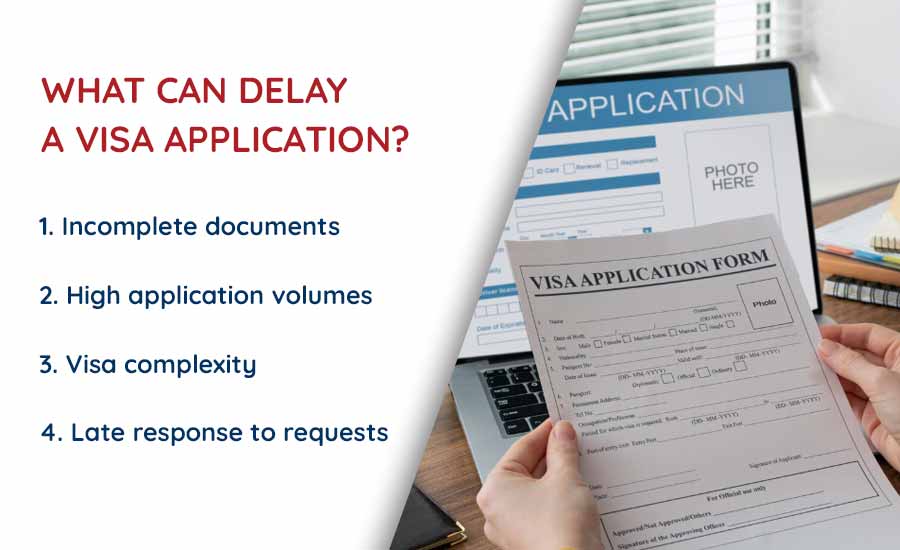
Incomplete documentsMissing identity, financial, employment, relationship, qualification or translation evidence can lead to further requests.
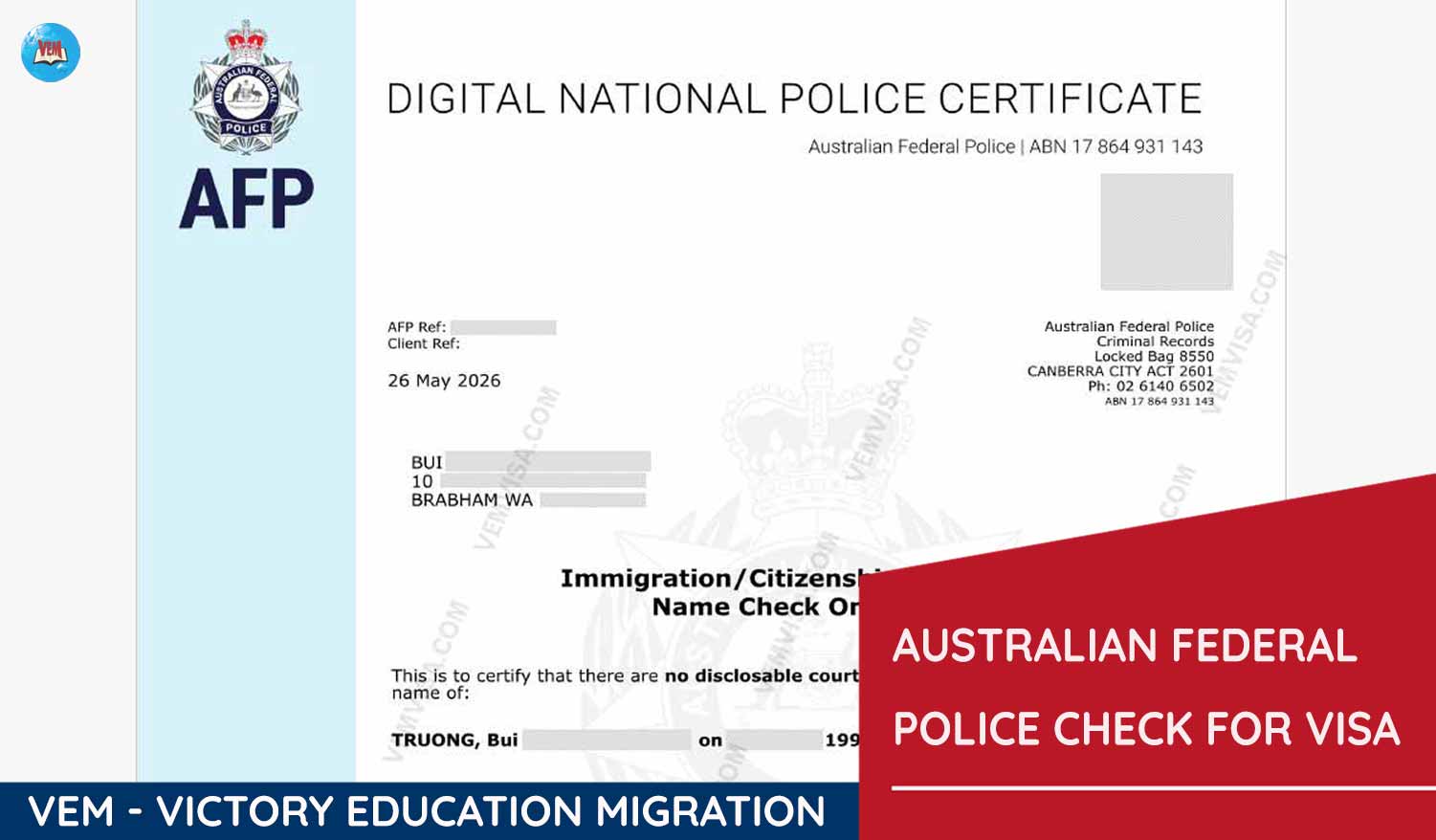
Slow responsesDelays in completing biometrics, health checks, police certificates or requests for information can hold up assessment.
External checksHealth, character, security and overseas verification processes may depend on third-party agencies.
High application volumesSeasonal student, visitor, working holiday or skilled visa demand can increase caseloads.
Complex historyPrior refusals, inconsistent records, multiple family members or unusual employment and relationship histories may require closer review.
Processing prioritiesSome visa classes or applicants may be processed ahead of others under current priority arrangements.
How to reduce avoidable visa processing delays
1. Choose the correct visa and stream
A technically complete application under the wrong pathway can still fail or require withdrawal and relodgement.
2. Lodge a decision-ready application
Upload readable, relevant and properly translated evidence at lodgement wherever possible.
3. Keep forms and evidence consistent
Names, dates, addresses, employment history and relationship information should agree across all documents.
4. Monitor ImmiAccount
Check for correspondence and respond within the stated deadline.
5. Complete checks promptly
Arrange health examinations, biometrics and police certificates as instructed.
6. Update material changes
Notify Home Affairs of relevant changes in passport, address, employment, family composition or circumstances.
No one can guarantee faster approval. Careful preparation may reduce avoidable delay, but it cannot control Home Affairs caseloads, priorities or external verification.
How to check current Australian visa processing times
Compare the result with your actual circumstances, including outstanding checks or requests.
Use ImmiAccount for application correspondence and check visa status information.
When can you contact Home Affairs about a delayed application?
Being outside the published estimate does not automatically mean an application has been lost or will be refused. Before making an enquiry, check whether Home Affairs has requested documents, whether health or character checks remain outstanding, and whether your visa category has special priority or queue arrangements.
Where the application is materially outside the current published timeframe, use the contact or enquiry method specified by Home Affairs for that visa category. Repeated general enquiries usually do not accelerate assessment.
Australia visa processing-time FAQs
Are Australian visa processing times guaranteed?
No. Home Affairs describes the published timeframe as an indication based on recently decided applications, not a guarantee for an individual application.
Why is my application taking longer than the published estimate?
Common reasons include missing evidence, health or character checks, external verification, high application volumes, complex circumstances and processing priorities.
Does uploading more documents make the visa faster?
Only relevant and requested evidence helps. Unnecessary duplicate files can make a record harder to review. Submit complete, clearly named and logically organised documents.
Can a migration agent guarantee a faster decision?
No. A registered migration agent can help identify the correct pathway, prepare evidence and respond to requests, but cannot control Home Affairs decision timing.
Should I book flights before my visa is granted?
Avoid non-refundable commitments unless you accept the risk that the application may not be decided before the planned travel date.
Does a Bridging Visa B speed up my main visa?
No. A BVB may provide temporary travel and return rights, but it does not accelerate the substantive visa decision.
How often should I check processing times?
Check again before making major travel, study, employment or relocation decisions because estimates can change as newer application data is added.
Need help preparing an Australian visa application?
VEM can review the proposed visa pathway, evidence plan and application risks. Processing time cannot be guaranteed, but a complete and consistent application can reduce avoidable delays.
There is no single processing time for every visa. As of the latest official May 2026 data, permanent skilled visas have a median of 9 months, temporary skilled visas 70 days, Student visas 19 days, temporary or provisional Partner visas 20 months, and combined Visitor and Working Holiday Maker categories less than 1 day.
No. Published processing times are estimates based on recently finalised applications. They do not guarantee that your own application will be decided within the same period.
The combined Visitor visa category currently has a median processing time of less than 1 day. However, a subclass 600 application may take longer depending on its stream, supporting evidence, applicant location and individual circumstances.
The latest Student visa program median is 19 days. However, offshore Student visa applications are processed according to current priority arrangements and should be lodged well before course commencement.
The temporary skilled visa program median is currently 70 days. Applicants for the Skills in Demand visa subclass 482 should use the Global Visa Processing Times tool and select the correct stream for the latest estimate.
There is no reliable universal processing time that should be assumed for a Bridging Visa B. Apply before finalising international travel and wait for the BVB grant before relying on it for departure and re-entry.
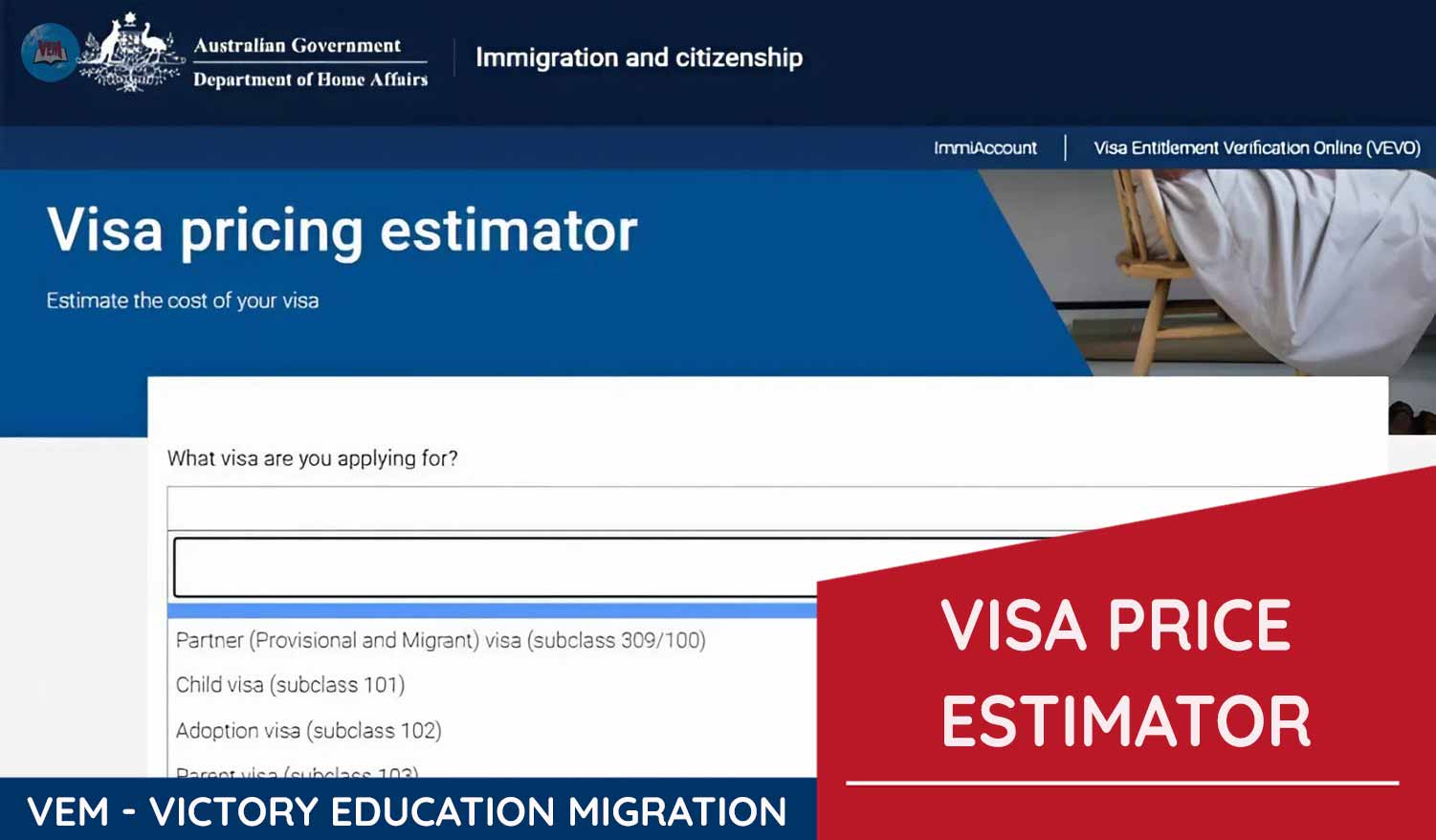
Use the Department of Home Affairs Global Visa Processing Times guide. Select your visa type, stream and application date to view the current estimate for recently finalised applications.
Mr. Phong Cao is a licensed migration agent by MARA (MARN: 1577877). He is also a member of the Migration Institute of Australia (MIA: 12648), one of the most reputable organizations in the field of immigration in Australia. In addition, Mr. Phong Cao holds a QEAC certification in study abroad consulting (QEAC: K580) and Australian real estate investment (RA85931). With over 12 years of experience in Australian immigration, he provides comprehensive solutions for studying and settling in Australia.

 VN
VN

 Người
đăng
Người
đăng Ngày
cập nhật:
Ngày
cập nhật: