Sponsorship Visa Australia: Employer, Family & Training Pathways
VEMVisa | Australia Sponsorship Guide
A practical guide to employer sponsorship, family sponsorship and training sponsorship in Australia, including the visa routes, roles, obligations, costs and planning points that differ between them.
Sponsorship visa Australia is not a single Australian visa subclass. The sponsor, application sequence, fees, work rights and conditions depend on the specific pathway, such as the Skills in Demand visa (subclass 482), Employer Nomination Scheme (subclass 186), Skilled Employer Sponsored Regional visa (subclass 494), Training visa (subclass 407), Partner, Child or Parent pathways.
This guide explains employer sponsored visa Australia options, family sponsorship, training sponsorship, sponsor obligations, applicant requirements, current-cost checks and the correct application sequence. It is general information only. A sponsor does not guarantee a grant, and one approved sponsorship cannot simply be reused for every visa or person.
Employer route
482, 186 and 494
A business sponsors a worker for a genuine nominated position.
Training route
407 Training visa
A temporary activities sponsor supports an approved training program.
Family route
Partner, Child & Parent
An eligible family sponsor supports the applicant under the relevant family visa rules.
A sponsor may be a business, a temporary activities sponsor or an eligible family member, depending on the visa pathway.
What is a sponsorship visa in Australia?
A sponsored visa Australia arrangement means an eligible sponsor supports an applicant under the rules of a specific visa subclass. There is no one universal “Australian sponsorship visa” with one standard checklist, price or processing time.
For employer-sponsored visas, the employer must usually establish a genuine role, nominate the worker and meet sponsorship obligations. For family visas, the sponsor must meet the relationship, residence, character and financial requirements that apply to the relevant family category. For the Training visa (subclass 407), the sponsor must support a structured training activity rather than use the visa to fill a normal labour vacancy.
Start with the purpose, not the label: Is the goal to fill a skilled position, offer structured occupational training, reunite a family or bring in a parent? The purpose identifies the visa pathway. Searching “sponsor visa Australia” alone is not an eligibility category.
Main sponsorship visa pathways in Australia
The following pathways are often discussed under the broad sponsorship visa Australia label. They are not interchangeable.
Pathway
Who sponsors?
Main purpose
Useful VEM guide
Skills in Demand 482
Approved standard business sponsor or labour-agreement employer
Temporary skilled employment in a genuine nominated role
A DAMA arrangement is not a standalone visa either. It is a type of labour agreement through which eligible employers in designated areas may access agreed occupation lists and concessions under the relevant agreement.
Who can sponsor a visa in Australia?
Employer sponsors
For pathways such as 482, 186 and 494, an employer must meet the sponsorship or nomination rules for the visa. This usually involves lawful operation, a genuine role, appropriate remuneration, compliance capacity and evidence that supports the nomination.
Training sponsors
For 407, the organisation normally needs approval as a temporary activities sponsor and must support the occupational training program. The 407 is for training outcomes, not ordinary ongoing employment.
Family sponsors
For family categories, the sponsor must meet the visa-specific connection, status, age, residence, character and, where relevant, financial requirements. Partner, Child and Parent pathways each operate differently.
Sponsor eligibility is visa-specific. A sponsor who is eligible for one pathway may not qualify for another.
Sponsored visa requirements for the applicant
The applicant also has separate requirements. The sponsor’s approval does not replace them.
Employer-sponsored worker: relevant experience, qualifications, occupational registration or licensing where required, English evidence where required, health and character criteria, plus stream-specific criteria.
Training visa applicant: a genuine training purpose, relevant background and ability to meet the 407 criteria connected to the proposed training type.
Family visa applicant: evidence of the relevant relationship or family connection, health and character evidence, and any subclass-specific criteria.
All applicants: accurate identity, immigration history and supporting evidence. A sponsor’s letter cannot fix a missing requirement or an inconsistent history.
For an employer-sponsored skilled case, an applicant may also need an occupation-specific skills assessment, although this is not a universal requirement for every employer-sponsored visa or stream. Check the relevant visa subclass and occupation before committing to an assessment fee.
The applicant must independently meet the relevant visa criteria, even where the sponsor and role are suitable.
Employer sponsorship process: 482, 186 and 494
Employer sponsorship is typically a linked business-and-worker process. The exact sequencing varies by subclass, but the preparation should be aligned before anything is lodged.
1. Confirm the right visa route
Check whether the job is better suited to the Skills in Demand 482, permanent 186, regional 494 or an approved labour agreement. Do not assume a job title alone decides the stream.
2. Check employer readiness
Confirm sponsor status, lawful operation, role need, remuneration, recruitment evidence and capacity to comply with obligations.
3. Complete labour market testing where required
The employer must meet current advertising and evidence rules before lodging the nomination where labour market testing applies.
4. Lodge the nomination
The nomination should establish the actual position, duties, salary, stream and relationship between the business and worker. This is not a generic job-offer form.
5. Lodge the visa application
The worker supplies personal, employment, qualification, English, health and character evidence. Include eligible family members only where the subclass permits it.
6. Maintain compliance after grant
The sponsor and visa holder must follow the grant conditions, work arrangement and reporting obligations. Changes in duties, location, salary or employment can matter.
482 and 494 reminder: labour market testing, salary and business evidence are employer tasks that must meet the rules applying at lodgement. A late replacement advertisement or a role description rewritten after submission may not repair an unsupported nomination.
Family sponsorship process
Family sponsorship is not a simplified version of employer sponsorship. The key issue is usually the family relationship and the sponsor’s eligibility under the chosen visa category, not a job offer or occupation list.
Partner pathway
Focuses on a genuine and continuing relationship with an eligible sponsor, plus the relevant health, character and sponsorship criteria.
Some family categories require sponsor approval before the visa can be lodged or granted, while the sequence for other categories differs. Treat the specific subclass instructions as the authority, particularly for Sponsored Parent, Child and Parent visas.
Sponsorship visa Australia cost: who pays what?
There is no single sponsorship visa cost. A sound budget separates government sponsorship or nomination charges, employer levies, visa application charges and applicant-side expenses such as health examinations, police certificates, translations, English tests or skills assessments.
Cost item
Usually linked to
Current planning note
Standard Business Sponsorship
Employer sponsorship for SID 482
AUD 420, subject to current rules and sponsor type.
Nomination fee
Employer nominations
Home Affairs currently lists AUD 330 for SID 482 and AUD 540 for ENS 186, subject to stream and location.
Skilling Australians Fund levy
Applicable employer-sponsored nominations
Depends on turnover and, for some visas, the proposed period of stay. It is an employer-side statutory cost.
Visa application charge
Applicant and additional applicants
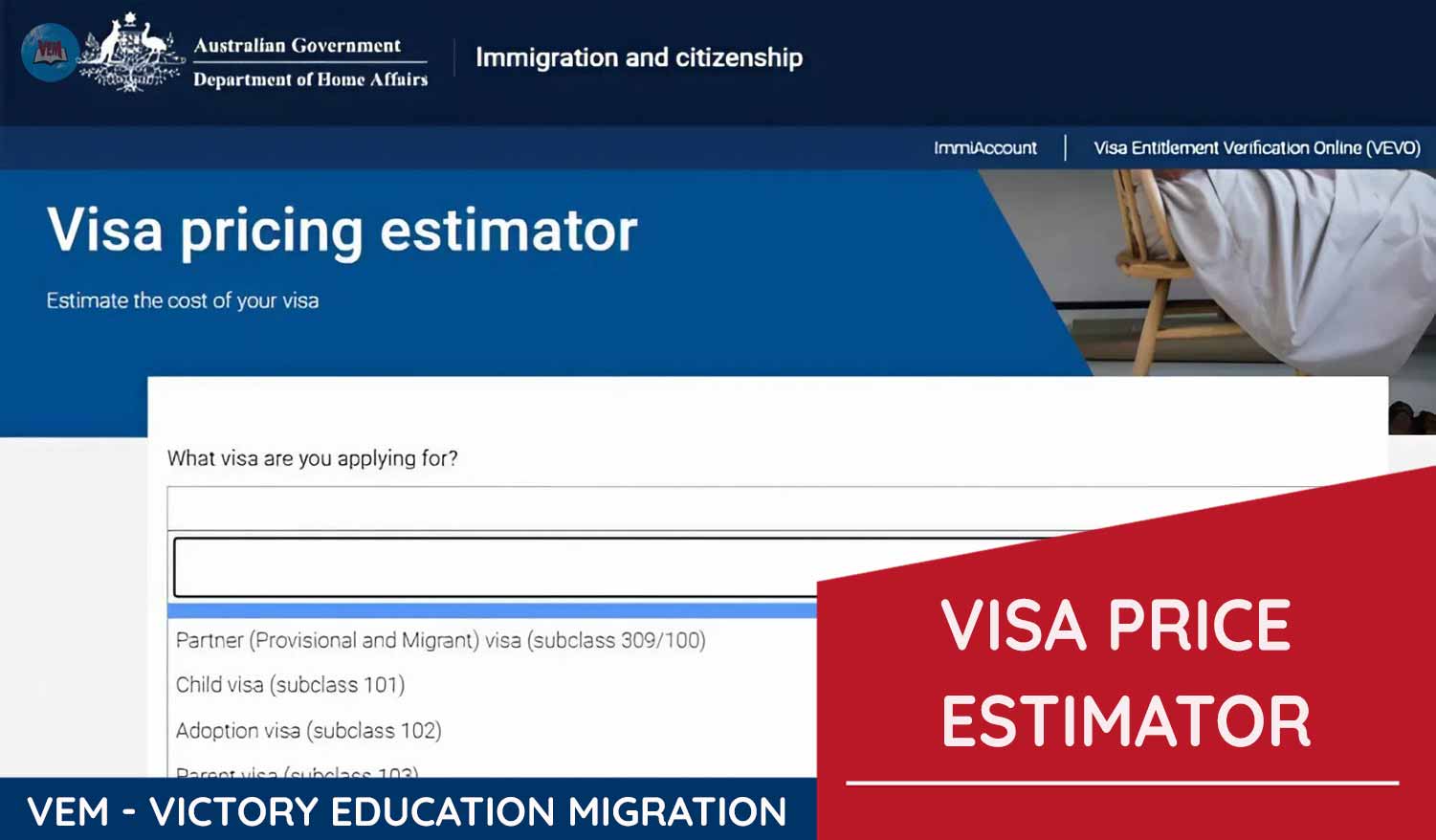
Changes by subclass, stream, applicant location, applicant count and, in some cases, visa history. Use the official estimator immediately before lodgement.
Evidence and third-party costs
Applicant or sponsor, depending on the arrangement
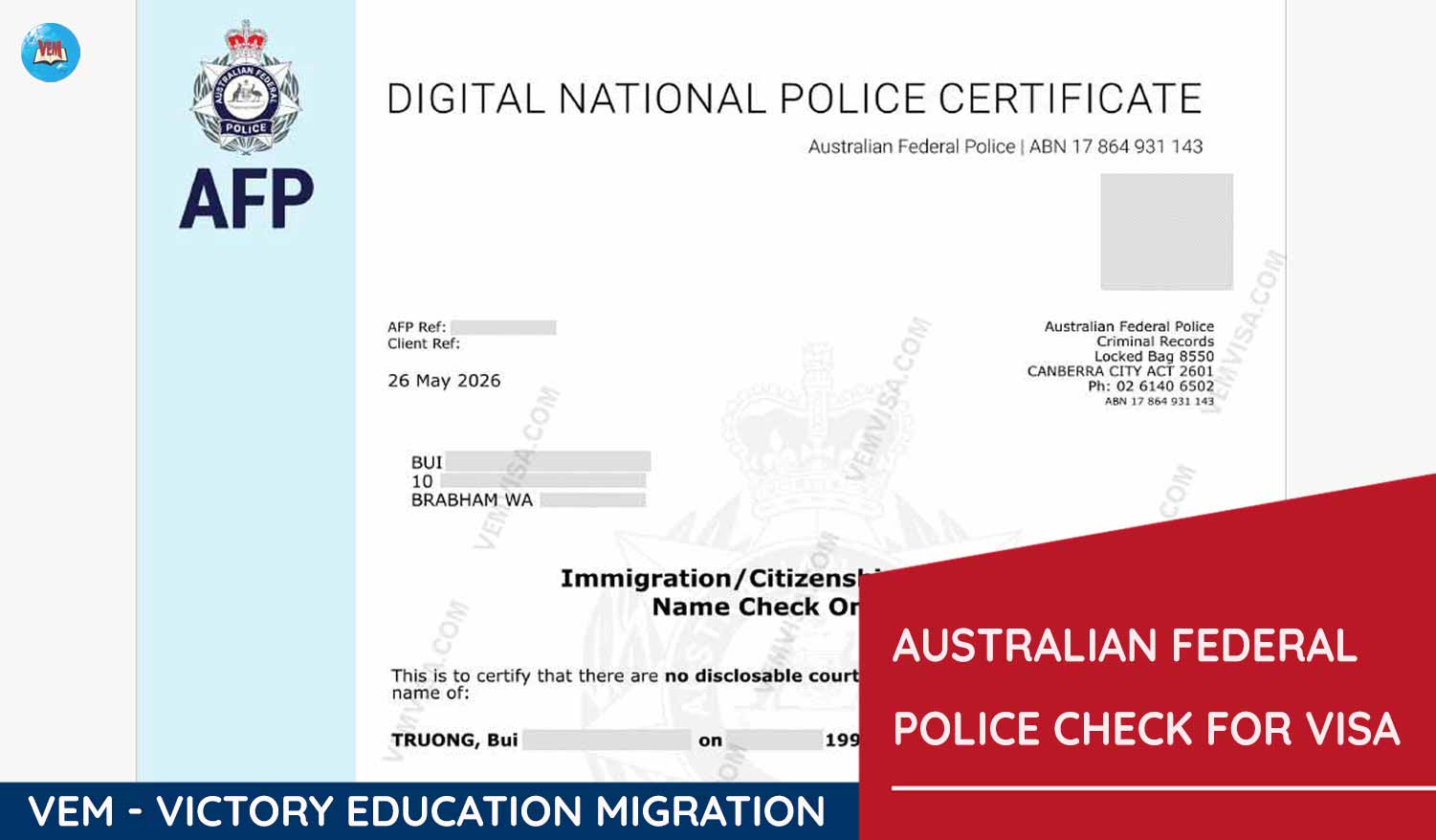
May include medicals, police certificates, English testing, skills assessments, translations, recruitment advertising and legal or migration advice.
A visa charge paid by the applicant is different from mandatory employer sponsorship and nomination costs. Employers should check the current sponsor obligations before asking a worker to pay any business-side amount. Visa application charges changed on 1 July 2026, so the official Visa Pricing Estimator should be used for the exact lodgement configuration.
Refund warning: a refusal, unsuccessful nomination or change of mind does not normally mean fees are refunded. Budget the correct route before lodging, rather than viewing a visa application as a subscription you can casually cancel.
Sponsor obligations after approval
Sponsorship is an ongoing responsibility. It is not simply a document needed to unlock an application.
Pay the worker according to the nominated terms and Australian workplace law, where employer sponsorship applies.
Keep required records and make them available to Home Affairs when required.
Tell Home Affairs about certain changes, including the end of employment or sponsorship where required.
Meet relevant sponsorship obligations even when an agent or other representative assists with administration.
For temporary activities sponsorship, ensure the visa holder undertakes the activity or training described in the approved case.
For family sponsorship, comply with the commitments and information requirements that apply to the chosen family visa category.
The correct sequence depends on the visa class. Employer, family and training sponsorship should never be treated as the same workflow.
Sponsorship visa processing time in Australia
There is no reliable single processing time for all sponsorship visa Australia pathways. A 482, 186, 494, 407, Partner or Parent application has its own visa stream, evidence profile and processing priorities.
Use the Home Affairs Global Visa Processing Times guide for recently decided applications. It is an indication only and does not predict the decision date for a particular case. In employer-sponsored matters, sponsorship and nomination preparation can add time before the visa application is even ready to lodge.
Sponsorship visa Australia FAQs
Is there one visa officially called “Sponsorship Visa Australia”?
No. It is a general search phrase. The correct visa must be identified from the purpose of sponsorship: skilled employment, permanent employer nomination, regional employment, training or a specific family relationship.
Can an Australian employer sponsor me for a visa?
Potentially, but the employer, nominated role and worker must meet the rules of the specific visa. A job offer is not enough on its own. For temporary skilled sponsorship, see the 482 visa Australia guide.
Can a family member sponsor me for Australia?
Some family visa categories allow an eligible Australian citizen, permanent resident or eligible New Zealand citizen to sponsor an applicant. The relationship type, sponsor status and visa-specific requirements determine whether this is available.
Does sponsorship guarantee a visa grant?
No. The sponsor, applicant and visa application must all meet the relevant law and evidence requirements. The Department can refuse an application or a nomination even where a sponsor supports it.
Can an employer-sponsored visa lead to permanent residence?
Some pathways can support later permanent residence planning, such as the Employer Nomination Scheme subclass 186 or, for eligible regional provisional holders, the subclass 191. It is never automatic and current criteria must be met at the later stage.
How do I check my sponsorship visa processing time?
Select the exact subclass, stream and application date in the Home Affairs processing-time guide. Do not rely on an old forum post, a different stream or a person whose evidence profile was completely unrelated to yours.
Choose the route before building the file
A sponsorship case works only when the sponsor, purpose and applicant evidence point to the same visa pathway.
VEM can review the employer, training or family route first, identify the likely evidence and help avoid lodging a sponsorship pathway that does not match the actual circumstances.
Official-source checks used for this guide: Home Affairs pages on employer sponsorship, sponsor responsibilities, cost of sponsoring, labour market testing, Skills in Demand 482, Training 407, family visa requirements, visa pricing and global processing times. Always verify the current subclass page before taking action.
Mr. Phong Cao is a licensed migration agent by MARA (MARN: 1577877). He is also a member of the Migration Institute of Australia (MIA: 12648), one of the most reputable organizations in the field of immigration in Australia. In addition, Mr. Phong Cao holds a QEAC certification in study abroad consulting (QEAC: K580) and Australian real estate investment (RA85931). With over 12 years of experience in Australian immigration, he provides comprehensive solutions for studying and settling in Australia.
Chia sẻ bài viết
One thought on “Sponsorship Visa Australia: Employer, Family & Training Pathways”

 VN


 Người
đăng
 Ngày
cập nhật:




Thanks