Australian Partner Visa Processing Time: How Long Does It Take?
Australian Partner Visa timeline guide
The partner visa Australia processing time depends on the visa subclass, onshore or offshore pathway, application date, relationship evidence and the complexity of the case. This guide explains the latest reference ranges for subclasses 820, 801, 309 and 100, what can delay a decision and how couples can reduce avoidable processing problems.
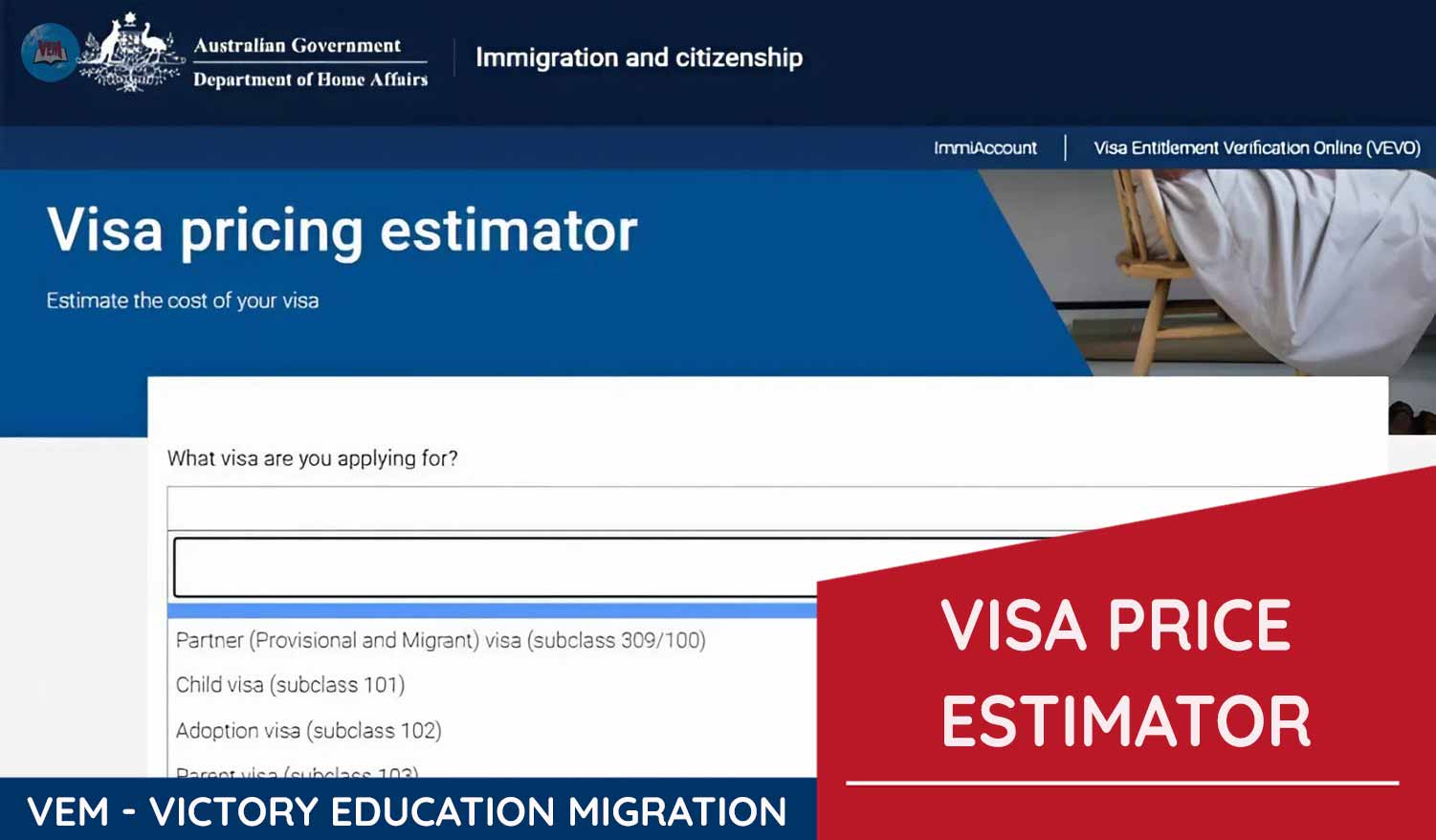
The Department of Home Affairs global visa processing-times guide was last updated on 26 June 2026. The public tool estimates timeframes using recently decided applications and does not guarantee that a new Partner Visa application will be decided within the displayed range.
The official Subclass 820 and Subclass 309 pages were updated on 1 July 2026. The Subclass 801 page was updated on 10 April 2026, and the Subclass 100 page on 13 April 2026.
Processing-time figures change. Always select the exact visa type, stream and application date in the Home Affairs tool before relying on a number for travel, employment or family planning.
Quick answer: how long does a Partner Visa take?
820 temporary onshore stage
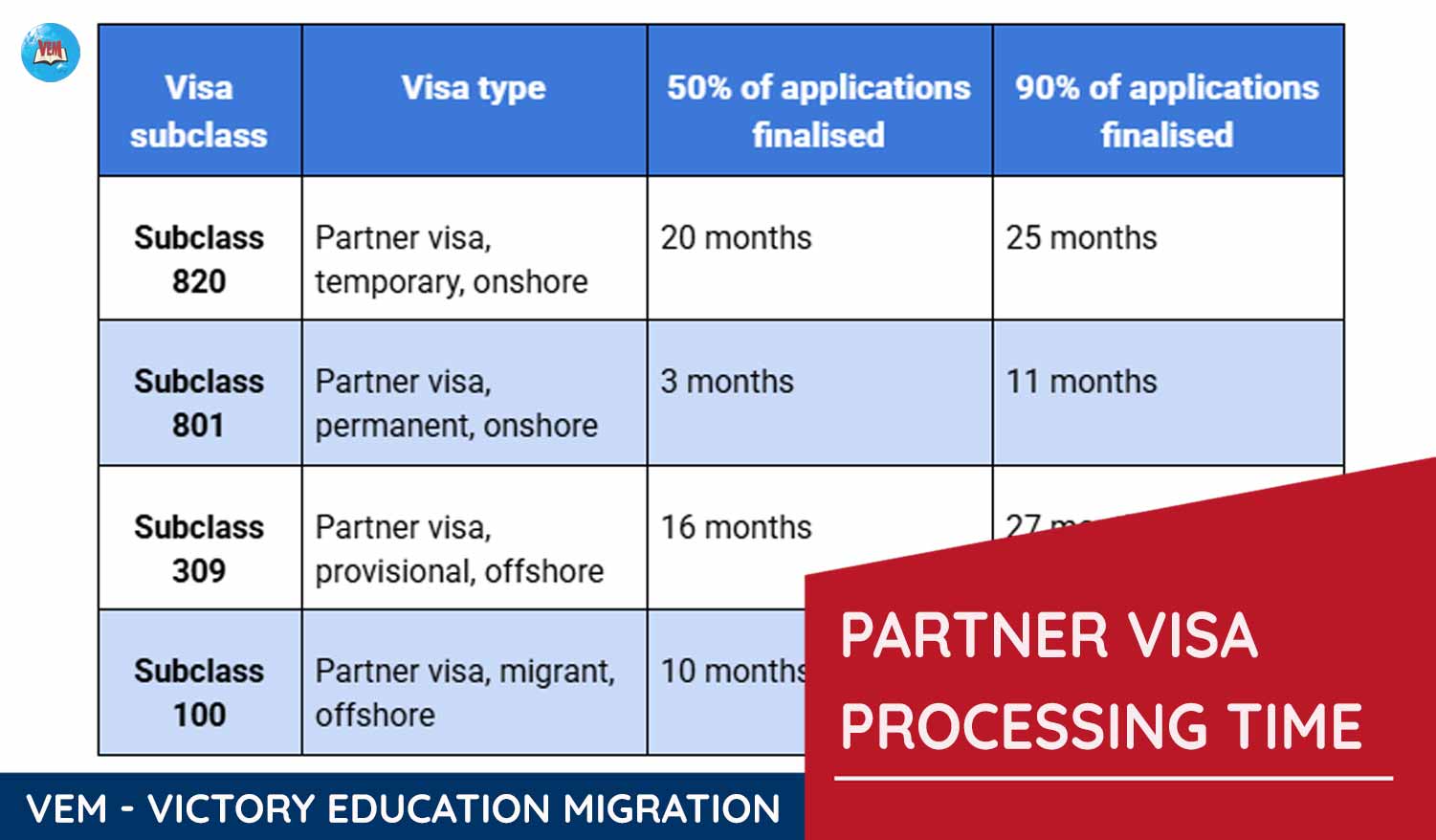
The source data reviewed for this guide recorded approximately 20 months for 50% and 25 months for 90% of applications.
801 permanent onshore stage
The source summary recorded approximately 3 months for 50% and 11 months for 90%, after the permanent-stage assessment becomes relevant.
309 and 100 offshore stages
The source data recorded 16–27 months for Subclass 309 and 10–24 months for Subclass 100.
These are planning references, not deadlines. A complete application may still take longer, while some well-prepared or less complex applications may be decided sooner.
How the Australian Partner Visa process works
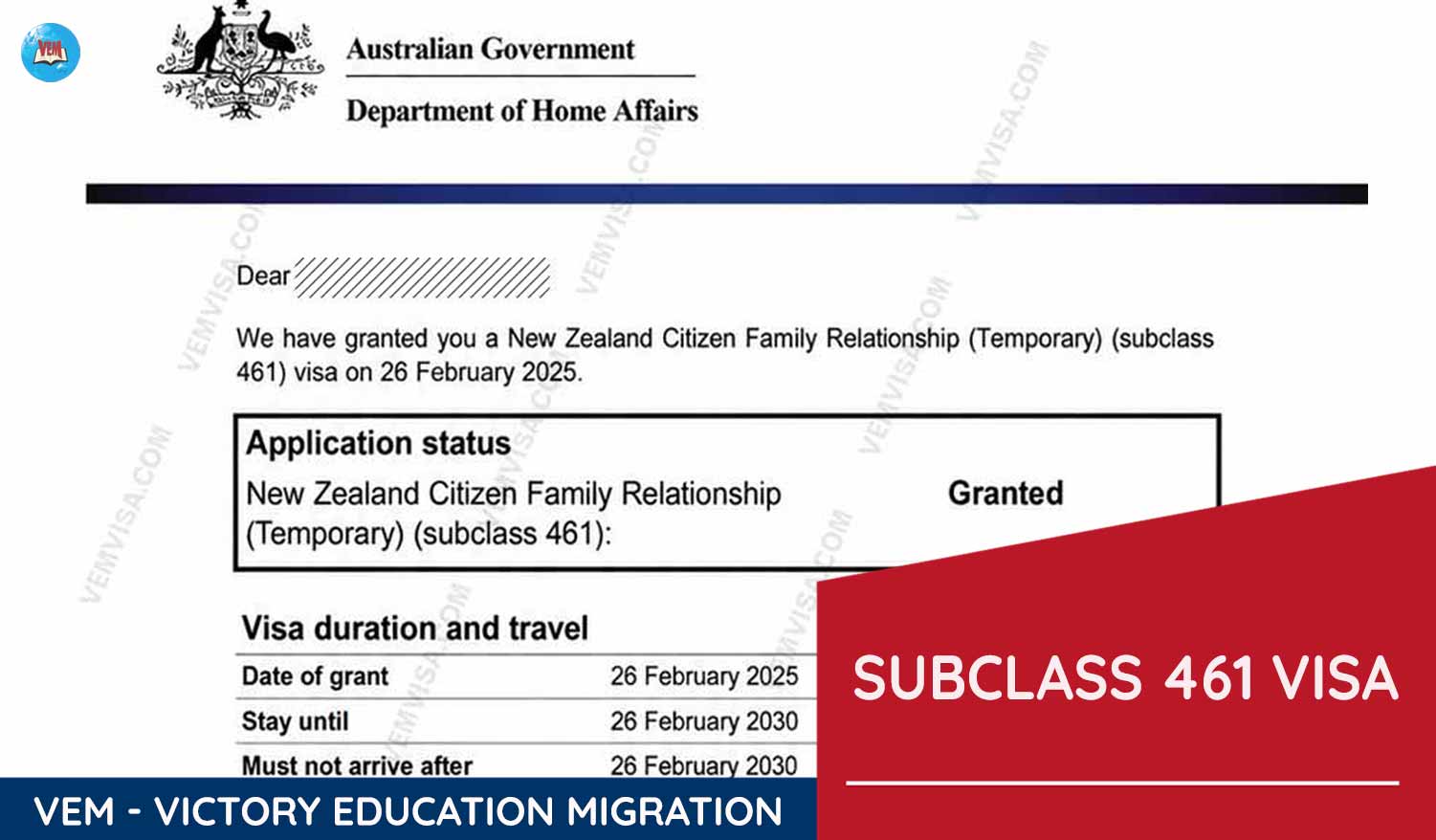
Australia’s Partner Visa program allows the spouse or de facto partner of an Australian citizen, Australian permanent resident or eligible New Zealand citizen to apply through an onshore or offshore pathway.
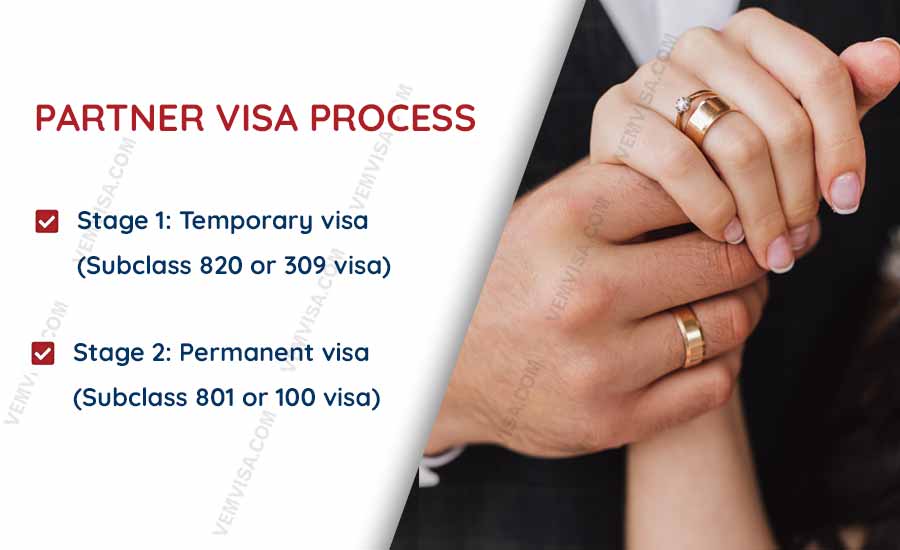
The temporary and permanent applications are generally lodged together, but the stages are assessed separately. The temporary stage is usually assessed first. The permanent stage is generally considered later and requires updated evidence that the relationship remains genuine and continuing.
Pathway
Temporary stage
Permanent stage
Application location
Onshore Partner Visa
Subclass 820
Subclass 801
Applicant is in Australia when applying
Offshore Partner Visa
Subclass 309
Subclass 100
Applicant applies from outside Australia
Latest Partner Visa processing-time references
The processing times for Partner Visa Australia applications should be checked by subclass and stage. A temporary-stage timeframe does not include the separate waiting period before the permanent stage becomes eligible for assessment.
Subclass
Visa stage
50% finalised
90% finalised
Important context
820
Temporary, onshore
20 months
25 months
First stage of 820/801 pathway
801
Permanent, onshore
3 months
11 months
Assessment time after permanent-stage eligibility and evidence submission
309
Provisional, offshore
16 months
27 months
First stage of 309/100 pathway
100
Permanent, offshore
10 months
24 months
Permanent-stage processing after eligibility
Reference figures captured in the source material reviewed for this guide. Confirm the current range in the Home Affairs processing-times tool before publication and whenever the article is updated.
820 visa processing time
The Subclass 820 visa is the temporary stage of the onshore Partner Visa pathway. Applicants commonly lodge the Subclass 820 and Subclass 801 applications together, although the Department usually assesses the 820 stage first.
50% referenceApproximately 20 months in the source data capture.
90% referenceApproximately 25 months in the source data capture.
Not a queue positionA newer priority or decision-ready case may be finalised before an older complex case.
The partner visa 820 processing time may be affected by the completeness of the application, relationship evidence, sponsor information, health examinations, police clearances, prior immigration history and whether Home Affairs needs additional verification.
Searches for visa 820 processing time and 820 visa processing times often focus only on the public estimate. Couples should also plan for the evidence-gathering period before lodgement and the later permanent-stage process.
801 visa processing time
Subclass 801 is the permanent stage of the onshore Partner Visa pathway. It is not automatically granted simply because the applicant holds a Subclass 820 visa. Home Affairs can reassess whether the relationship remains genuine and continuing.
The source summary used for this article recorded the visa 801 processing time as approximately 3 months for 50% and 11 months for 90% of finalised applications. This refers to the 801 assessment period, not the entire period from the original 820/801 lodgement.
Why published 801 figures can appear inconsistent
Processing estimates can change between data captures. Some articles also combine the waiting period before permanent-stage eligibility with the Department’s later assessment time. For a reliable current figure, select the exact Subclass 801 category and application date in the official tool.
Offshore Partner Visa processing time: subclasses 309 and 100
The offshore pathway normally consists of the Subclass 309 provisional Partner Visa followed by the Subclass 100 permanent Partner Visa. Both applications are usually lodged together, but they are assessed in stages.
Subclass 309
Temporary offshore stage
Source reference: approximately 16 months for 50% and 27 months for 90% of applications.
Subclass 100
Permanent offshore stage
Source reference: approximately 10 months for 50% and 24 months for 90% of applications.
What does “485 spouse visa processing time” mean?
A spouse connected to a Subclass 485 Temporary Graduate visa is not applying for a Subclass 820, 801, 309 or 100 Partner Visa.
The phrase 485 spouse visa processing time usually refers to a spouse or partner included as a family member in a Subclass 485 application or applying later as a subsequent entrant. The correct processing category is therefore linked to Subclass 485, not the Partner Visa program.
Applicants should check the Temporary Graduate visa requirements, family-member eligibility, relationship evidence and the current Subclass 485 processing-time category. Do not use the 820 or 801 timeframe to estimate a 485 spouse or subsequent-entrant application.
Incomplete applicationMissing identity, sponsor, relationship, financial, health or character evidence can lead to requests for further information.
Weak relationship evidenceA small group of photos or messages may not establish the full financial, household, social and commitment aspects of the relationship.
Inconsistent informationDifferent dates, addresses or relationship accounts across forms and statements can trigger credibility questions.
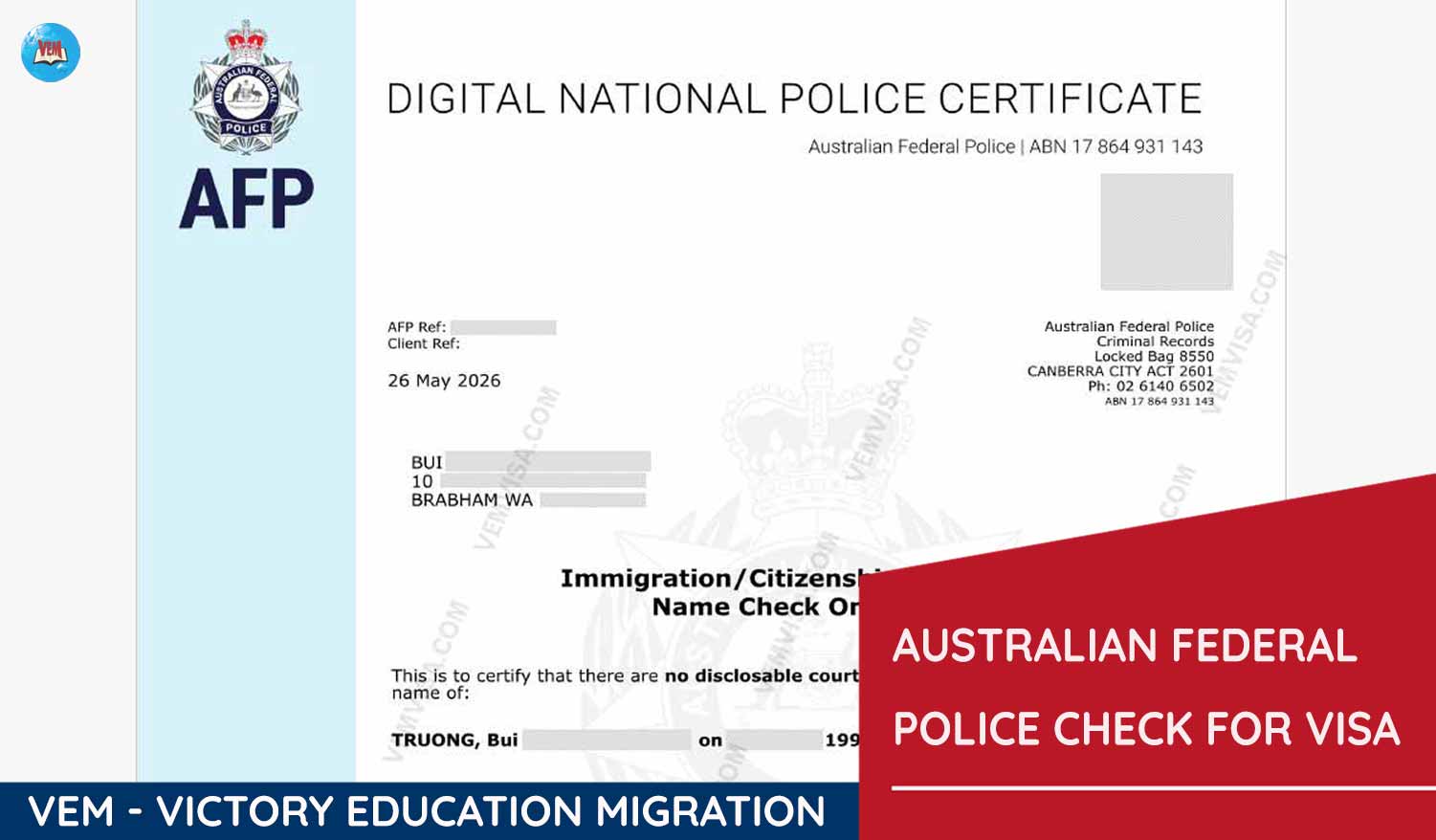
Health and character checksAdditional medical assessment or police certificates from multiple countries may extend the timeline.
Complex visa historyPrevious refusals, cancellations, overstays or incorrect information can require closer examination.
Application volumes and prioritiesProcessing patterns can change when caseloads, departmental resources or priorities change.
Relationship evidence that supports a decision-ready application
Partner Visa evidence is generally stronger when it covers the relationship over time and explains how the documents fit together. Organise evidence under the four main relationship areas.
Financial aspects
Joint accounts, shared expenses, leases, major purchases, insurance, beneficiary records and evidence of financial support.
Nature of the household
Living arrangements, household responsibilities, correspondence to the shared address and practical evidence of daily life.
Social aspects
Travel, invitations, events, family recognition, social activities, photographs and statements from people who know the couple.
Mutual commitment
Relationship history, future plans, communication during separation, emotional support and evidence of a shared life.
A clear relationship timeline can help the case officer understand when the couple met, how the relationship developed, periods of separation, major milestones and future plans.
How to reduce avoidable Partner Visa delays
Action
Why it matters
Lodge the correct subclass and pathway
Avoids location and eligibility problems at the outset.
Submit a complete application
Reduces the likelihood of basic document requests.
Use a detailed relationship timeline
Helps explain the evidence and any periods of separation.
Keep applicant and sponsor information consistent
Reduces credibility concerns and clarification requests.
Complete requested health and character checks promptly
Prevents applicant-controlled delays.
Keep uploading meaningful updated evidence
Supports the continuing relationship during a long wait and at permanent stage.
Monitor ImmiAccount
Helps prevent missed requests and deadlines.
No applicant or migration agent can guarantee a faster Home Affairs decision. Preparation can reduce avoidable delay, but it cannot control caseloads, priorities or external checks.
What to do while waiting for a Partner Visa decision
Check visa conditionsUse VEVO and the grant notice to confirm work, study and travel rights. Do not assume another applicant has the same conditions.
Plan travel carefullyA Bridging Visa A does not generally provide return travel rights. Eligible applicants may need a Bridging Visa B before leaving Australia.
Update material changesNotify Home Affairs of relevant changes to address, passport, family composition or circumstances using the correct process.
Preserve continuing evidenceKeep records of joint finances, household arrangements, travel, events and communication for later assessment.
Can the 820 and 801 visas be granted close together?
In some cases, the temporary and permanent stages may be decided close together where Home Affairs is satisfied that the relationship met the relevant long-term relationship criteria and the evidence supports both stages.
This is not automatic. The Department can still request updated information and assess whether the relationship is genuine and continuing. Couples should not assume that a long relationship removes the need for a complete application.
Partner Visa processing-time FAQs
What is the current 820 visa processing time?
The source data reviewed for this guide recorded approximately 20 months for 50% and 25 months for 90% of finalised Subclass 820 applications. Check the official processing-times tool for the live figure applicable to your application date.
What is the current 801 visa processing time?
The source summary recorded approximately 3 months for 50% and 11 months for 90% of finalised Subclass 801 applications. This is separate from the waiting period before permanent-stage assessment.
Does the processing time Partner Visa Australia tool show my queue position?
No. The public tool uses recently decided applications to provide an estimate. It does not inspect your individual file, evidence or queue position.
Can I speed up my Partner Visa application?
There is no guaranteed way to obtain a faster decision. A complete, consistent and decision-ready application can reduce avoidable requests, but it cannot control Home Affairs priorities or external checks.
Is Subclass 801 granted automatically after Subclass 820?
No. The permanent stage remains subject to assessment. Applicants may need to provide updated relationship, health, character or other evidence.
Can I travel while waiting for an onshore Partner Visa?
Travel depends on the visa you currently hold. A Bridging Visa A generally does not allow a person to leave Australia and return. An eligible applicant may need a Bridging Visa B before travel.
Is a 485 spouse application the same as an Australian Partner Visa?
No. A spouse or partner included under Subclass 485, or applying as a subsequent entrant, remains connected to the Temporary Graduate visa program. It is not the same as Subclass 820, 801, 309 or 100.
Why are processing times for Partner Visa Australia applications different between websites?
Figures may have been captured on different dates, may refer to different subclasses, or may combine permanent-stage eligibility waiting with assessment time. Use the official Home Affairs tool and check the article’s review date.
Prepare a clearer Partner Visa application
Partner Visa cases are evidence-heavy and can remain under assessment for a long period. A pre-lodgement review can help identify gaps, inconsistencies and missing relationship documents before submission.
Last reviewed: 10 July 2026. Processing times and immigration requirements can change. This page provides general information and is not a substitute for advice based on individual circumstances.
By Peter Phong D Cao, Registered Migration Agent MARN: 1577877 | MIA: 12648
Yes, the temporary Subclass 820 processing time is generally counted from lodgement. However, the permanent Subclass 801 processing time starts from the date of eligibility, which is usually two years after the combined 820/801 application was lodged.
You cannot guarantee faster processing, but you can reduce avoidable delays by submitting a complete application, providing strong evidence, keeping information consistent, responding quickly to requests, and updating documents when necessary.
No. 485 spouse visa processing time usually refers to a family member or subsequent entrant on a Temporary Graduate visa. It is not the same as Partner Visa 820/801 or 309/100 processing.
Mr. Phong Cao is a licensed migration agent by MARA (MARN: 1577877). He is also a member of the Migration Institute of Australia (MIA: 12648), one of the most reputable organizations in the field of immigration in Australia. In addition, Mr. Phong Cao holds a QEAC certification in study abroad consulting (QEAC: K580) and Australian real estate investment (RA85931). With over 12 years of experience in Australian immigration, he provides comprehensive solutions for studying and settling in Australia.

 VN
VN
 Người
đăng
Người
đăng Ngày
cập nhật:
Ngày
cập nhật: