309 Visa Australia: Requirements, Fees and Processing Time
VEMVisa | Australian Partner Visa Guidance
A practical guide to the offshore Partner visa pathway, relationship evidence, application stages, current fee checks and processing-time guidance.
The 309 visa is the temporary stage of Australia’s offshore Partner visa pathway. It is for eligible spouses and de facto partners of an Australian citizen, Australian permanent resident or eligible New Zealand citizen who apply from outside Australia.
A successful Partner visa 309 application can lead to the permanent subclass 100 visa. This page explains what the 309/100 pathway is, how to prepare an offshore application and where to check current government information before lodgement.
Key point: Subclass 309 is not an onshore visa. You must be outside Australia when you apply and when the temporary visa is decided. Applicants already in Australia should compare the 820/801 Partner visa pathway instead.
The 309/100 pathway is designed for eligible couples applying from outside Australia.
What is the 309/100 visa pathway?
The offshore Partner visa pathway has two linked stages. Subclass 309 is the temporary Partner (Provisional) visa. Subclass 100 is the permanent Partner (Migrant) visa considered later under the relevant rules.
Stage 1 – Subclass 309
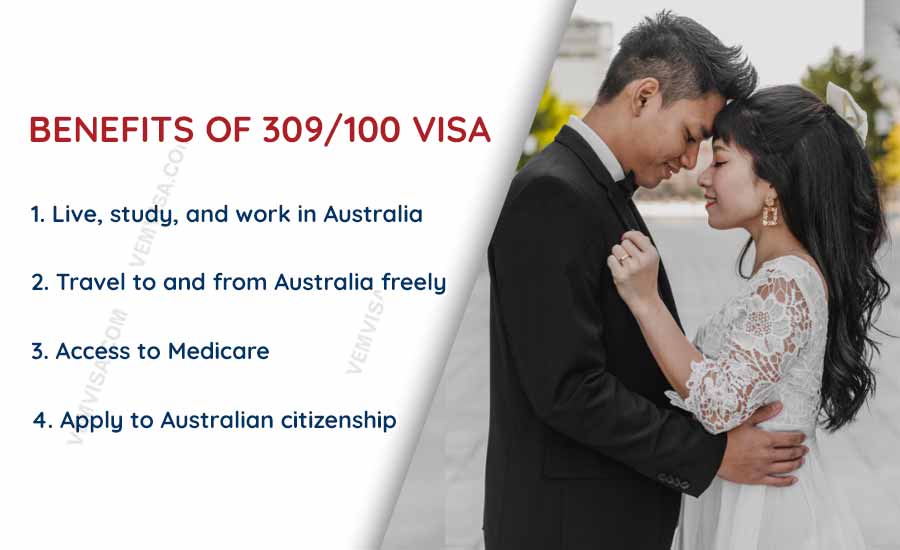
If granted, the temporary visa lets you live, work and study in Australia while the permanent stage is processed. It also permits travel to and from Australia while the visa remains valid. [Home Affairs: subclass 309]
Stage 2 – Subclass 100
The permanent stage is for applicants who hold the temporary 309 visa and continue to meet the applicable requirements. A subclass 100 visa permits permanent residence in Australia. [Home Affairs: subclass 100]
For the broad eligibility framework and other relationship pathways, read our Partner Visa Australia guide. This page stays focused on the offshore 309/100 option.
The applicant, sponsor and relationship evidence must be considered together.
309 visa requirements: applicant, sponsor and relationship
A subclass 309 visa assessment is not based on a single document. The application needs to show an eligible applicant, an eligible sponsor and a genuine, continuing relationship supported by coherent evidence.
Applicant location
You must be outside Australia at lodgement and when a 309 decision is made. This is the central distinction between 309 and 820.
Sponsor status
The sponsoring partner must meet the relevant status and sponsorship requirements as an Australian citizen, permanent resident or eligible New Zealand citizen.
Relationship status
You need to be in a legally recognised marriage or an eligible de facto relationship. The relationship must be genuine and continuing.
Relationship evidence should tell a consistent story across four areas: financial arrangements, the nature of the household, social recognition of the relationship and mutual commitment. Do not upload duplicate records just to increase document volume.
Evidence area
Examples to organise
Financial aspects
Shared accounts, joint commitments, household expenses or evidence of financial support.
Household
Co-habitation records, address history and how daily responsibilities are shared.
Social aspects
Travel, events, selected photographs, messages and supporting statements that show how others know you as a couple.
Commitment
Personal statements, future plans, care and support over time, and explanations for time spent apart where relevant.
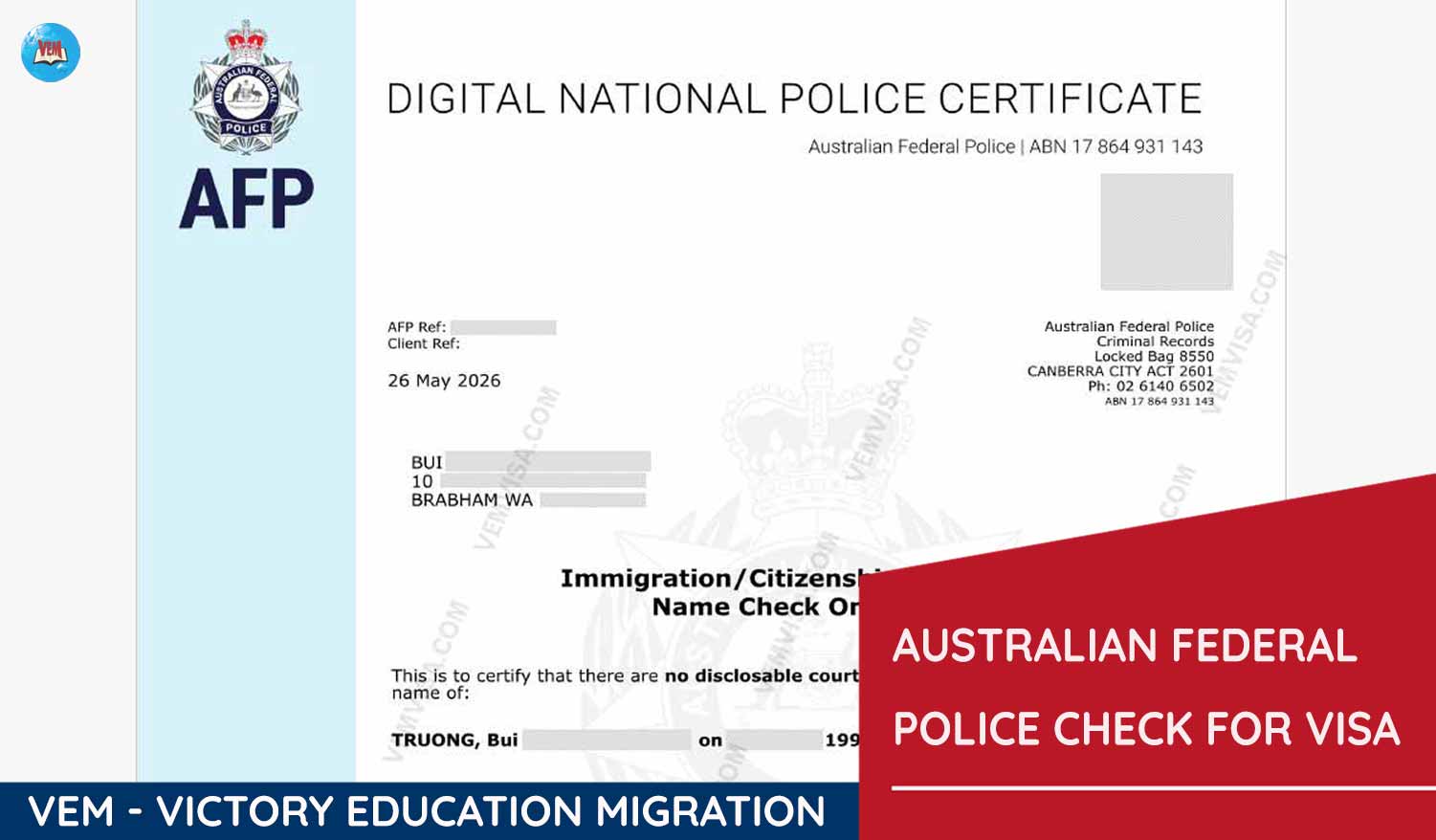
Identity, health and character documents also matter. The Department’s application instructions in ImmiAccount determine the documents requested for your circumstances. For sponsor police checks and change-of-circumstances guidance, consult the official Partner visa FAQs.
How to apply for a Partner 309 visa
Partner visa applications are generally lodged online through ImmiAccount. A complete application does not guarantee an outcome, but it gives the Department the evidence needed to assess the relevant criteria without avoidable gaps.
1. Confirm the correct pathway
Confirm that you are applying from outside Australia and that 309/100 fits your relationship status. Engaged couples who have not yet married may need to consider Prospective Marriage visa subclass 300.
2. Build a dated evidence plan
Create one timeline for the relationship and match each evidence category to that timeline. Include explanations where documents are unavailable, where you have lived apart or where names differ across records.
3. Lodge through ImmiAccount
Complete the online application, upload documents and pay the relevant charge. Home Affairs says Partner visas must be lodged online except in limited, invitation-only paper circumstances. [Applying online]
4. Monitor requests and keep details current
Check ImmiAccount and respond within the requested timeframe. Update changes to passports, addresses, contact details and relationship circumstances as required.
Organise the evidence before submitting the online application, rather than treating documents as an afterthought.
309 visa processing time, fees and current updates
Searches for 309 visa processing time 2026, or “after medical” often show older estimates. Do not treat those estimates as a forecast for a current application.
Processing-time update: As of 1 July 2026, Home Affairs reports a 20-month median for the combined Partner (Provisional/Temporary) category in June 2026. This is a program-wide median, not a 309-specific promise. The Department states that processing time can change due to document completeness, requests for information, health and character checks, application complexity and volumes. [Current processing-time guidance]
There is no reliable public countdown for 309 visa processing time after medical. Health examination results are only one part of an application. The Department advises applicants to use its processing-time guide, which is based on recently decided applications and is not specific to an individual case. [Use the live processing-time tool]
Budget item
What to check
Visa application charge
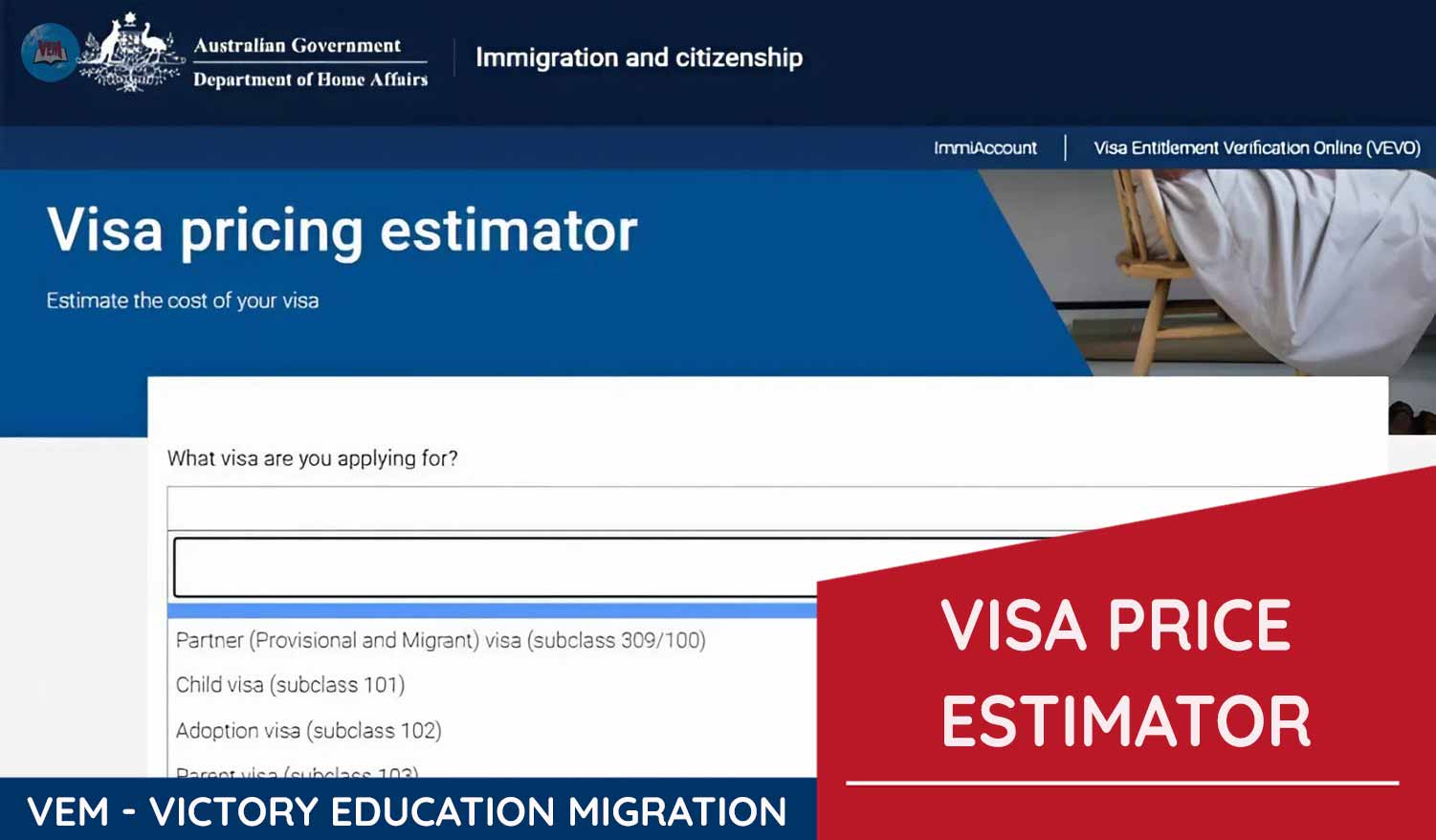
The base 309/100 charge for most main applicants is listed from AUD 11,710 at the time of this page review. Fees can change, so confirm the exact amount in the official estimator before payment.
Additional applicants
Charges can differ by age and by the number of people included. Use the estimator with your intended lodging date and applicant details.
Other direct costs
Plan separately for health examinations, police certificates, translations, document certification and any biometrics requested for your case.
Payment method
A credit-card or PayPal surcharge may apply. Home Affairs publishes current surcharge rates separately.
For a detailed cost breakdown, see Partner Visa Australia Cost. Home Affairs notes that the fee applicable to your case depends on the date it receives the application; the Visa Pricing Estimator is the appropriate final check before lodgement.
309 visa vs 820 visa vs 300 visa
These pathways serve different circumstances. The right route depends mainly on where the applicant is when applying, and whether the couple is already married or in an eligible de facto relationship.
Pathway
Where the applicant applies
Typical purpose
309/100
Outside Australia
Spouse or de facto partner applying through the offshore Partner visa pathway.
820/801
In Australia
Spouse or de facto partner applying through the onshore Partner visa pathway.
300
Outside Australia
Prospective spouses who plan to marry in Australia before moving to the Partner visa stage.
A 309 visa lets eligible holders live, work and study in Australia while the permanent stage is processed.
After a 309 grant: permanent stage and changes in circumstances
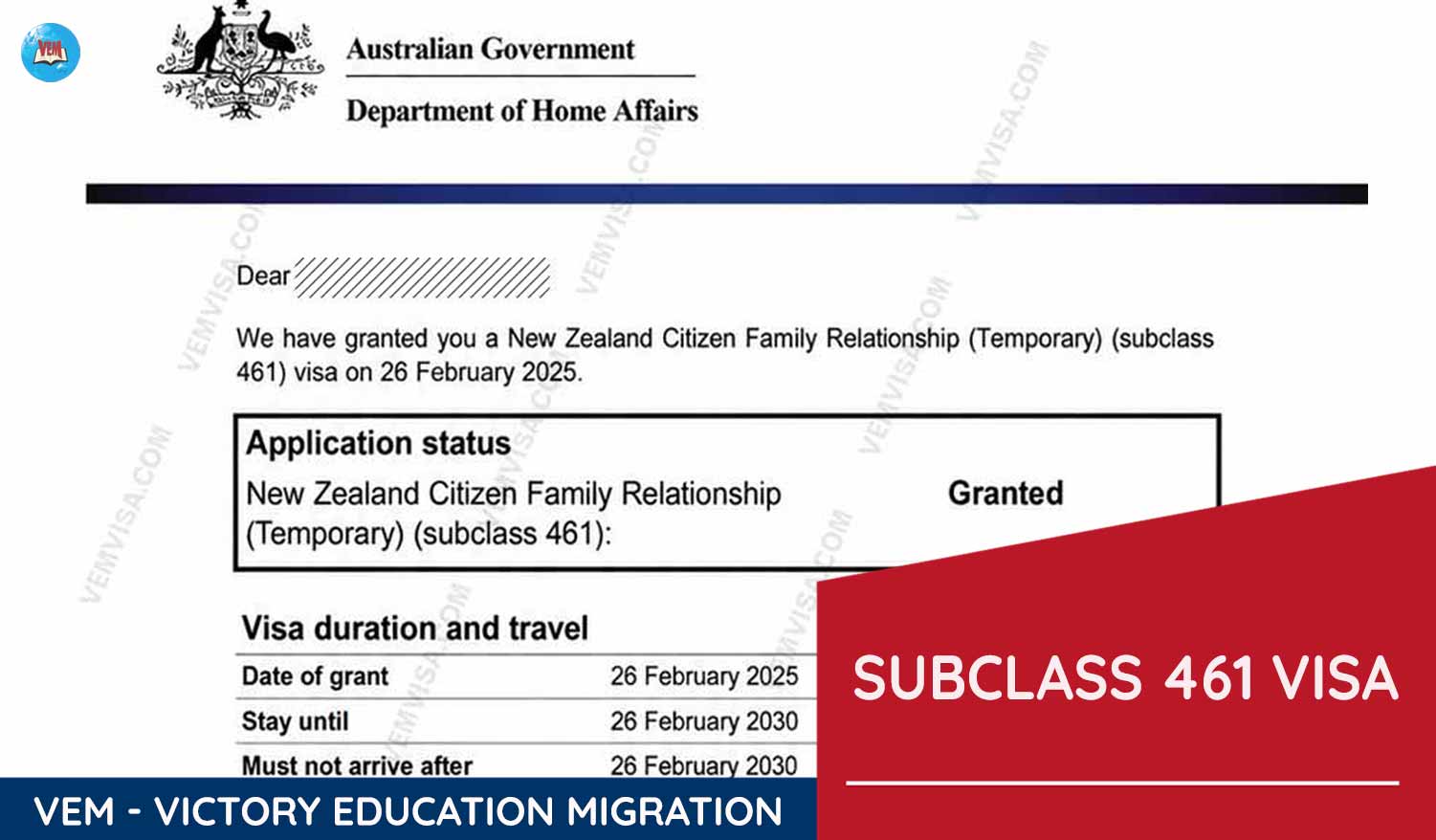
After receiving subclass 309, eligible applicants can later be assessed for the permanent 100 stage. Home Affairs says a temporary 309 holder becomes eligible for consideration of the permanent Partner visa once two years have passed since the first Partner visa application was made.
The Department may ask for updated relationship evidence. Keep key documents current and use ImmiAccount to update changes in contact details, passports or relationship circumstances. Check visa status and conditions if you need practical guidance on reading your current visa information.
A relationship change can have serious visa consequences, but there are limited situations where an application may continue. Home Affairs identifies circumstances that can include the death of a sponsoring partner, domestic and family violence, or shared parental responsibility for a child. Read the official FAQ and seek tailored assistance where needed. [Partner visa FAQs]
Prepare your offshore Partner visa plan
A useful first review should cover your relationship timeline, where you will be at lodgement, the sponsor’s status, identity documents, health and character steps, and the evidence already available.
It is the temporary Partner (Provisional) visa for eligible spouses and de facto partners applying from outside Australia. It is the first step towards the permanent subclass 100 visa.
Can I apply for a Partner 309 visa while I am in Australia?
No. The 309 pathway is offshore. You must be outside Australia when you apply and when the provisional visa is decided. The 820/801 pathway is the onshore alternative for eligible applicants.
What is the current 309 visa processing time?
Use the Department’s current processing-time guide. As at 29 June 2026, its May 2026 program-wide median for Partner Provisional/Temporary visas is 20 months, but that combined figure is not a prediction for an individual 309 case.
Does completing the medical examination mean my 309 visa will be decided soon?
No. A medical is only one part of the process. A decision can still depend on relationship evidence, character checks, requests for information and processing volumes.
What is the 309 visa fee?
The government charge is subject to change. The current published guide used for this page lists the base charge from AUD 11,710 for most main applicants. Confirm the exact cost using Home Affairs’ Visa Pricing Estimator on the day you plan to lodge.
Where can I find 309 visa news?
Use Home Affairs visa pages, the processing-time guide and the Partner visa FAQs as the primary source for policy and processing updates. Historical 2024 or 2025 articles can be useful context but should not replace current official guidance.
If you hold a Subclass 309 visa, you can reside in Australia until you receive permanent residency upon the grant of the Subclass 100 visa. A strong application may result in the simultaneous grant of both visa 309 and visa 100.
Unfortunately, no refunds are provided once the fee has been paid, even if your visa application is refused. To avoid wasting time and money, consider contacting VEM for assistance.
Mr. Phong Cao is a licensed migration agent by MARA (MARN: 1577877). He is also a member of the Migration Institute of Australia (MIA: 12648), one of the most reputable organizations in the field of immigration in Australia. In addition, Mr. Phong Cao holds a QEAC certification in study abroad consulting (QEAC: K580) and Australian real estate investment (RA85931). With over 12 years of experience in Australian immigration, he provides comprehensive solutions for studying and settling in Australia.

 VN
VN

 Người
đăng
Người
đăng Ngày
cập nhật:
Ngày
cập nhật: