Updated 2026 Australian Visitor Visa Guide
Subclass 600 processing times, Tourist and Sponsored Family comparisons, application timelines and how long you can actually stay in Australia.
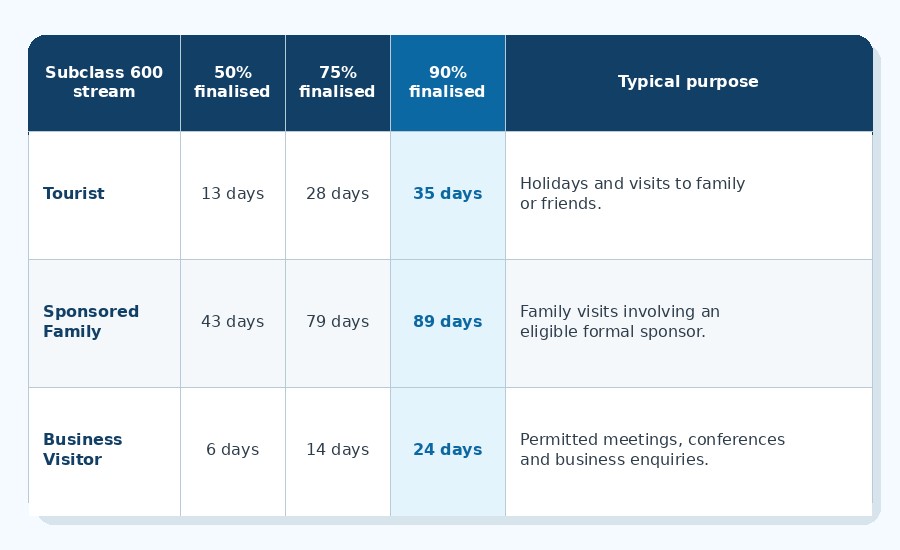
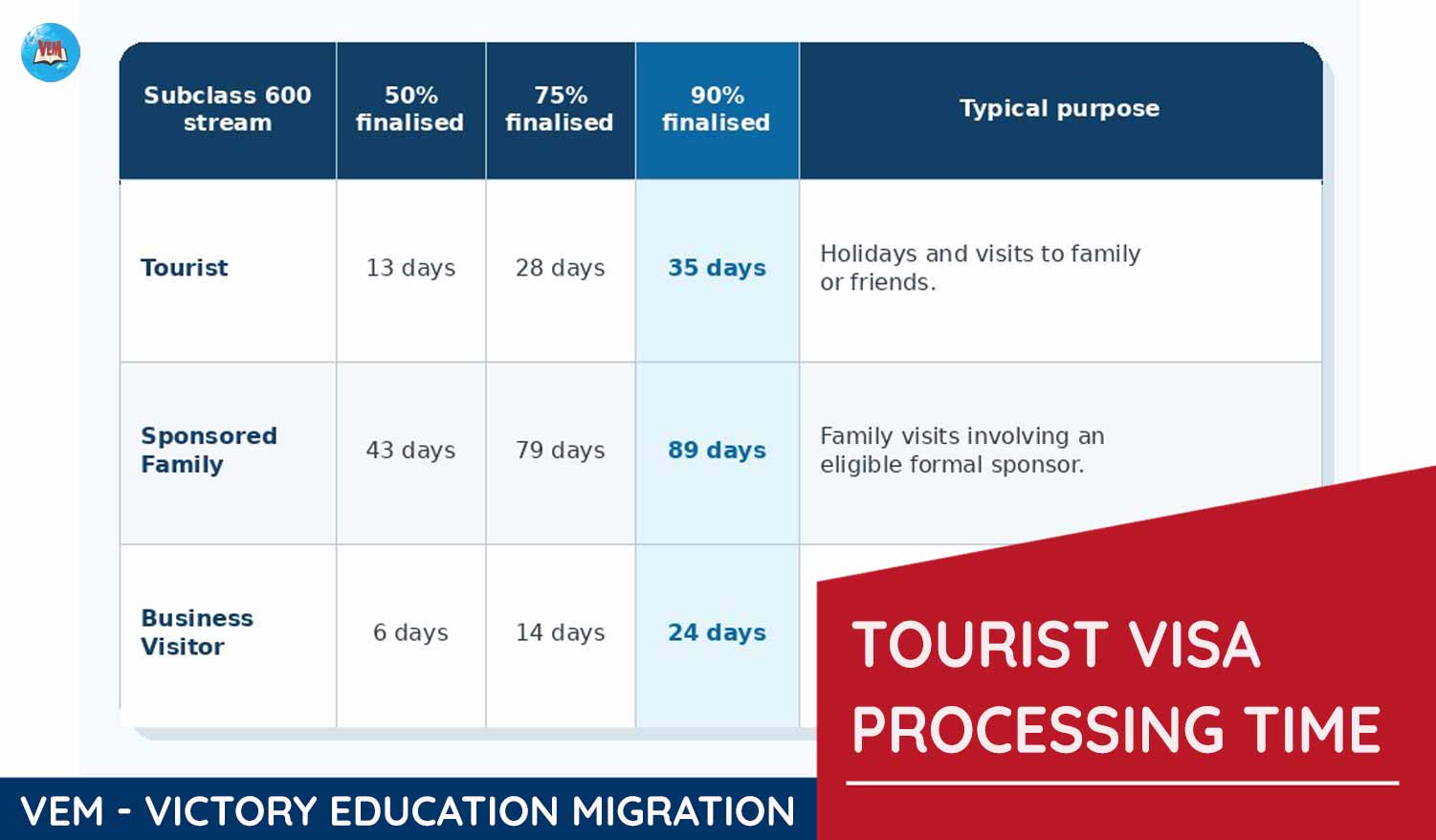
The processing time for an Australia tourist visa depends on the visa subclass, application stream and your individual circumstances. An August 2026 processing snapshot shows that 50% of Visitor visa subclass 600 Tourist stream applications were finalised within 13 days, while 90% were finalised within 35 days.
Australia tourist visa processing time in 2026
The most useful way to assess visitor visa processing time in Australia is to compare the specific subclass 600 stream you intend to use. Tourist, Sponsored Family and Business Visitor applications have different purposes and frequently experience different processing patterns.
| Subclass 600 stream |
50% finalised |
75% finalised |
90% finalised |
Typical purpose |
| Tourist |
13 days |
28 days |
35 days |
Holidays and visits to family or friends. |
| Sponsored Family |
43 days |
79 days |
89 days |
Family visits involving an eligible formal sponsor. |
| Business Visitor |
6 days |
14 days |
24 days |
Permitted meetings, conferences and business enquiries. |
“Visitor: less than 1 day” meaning
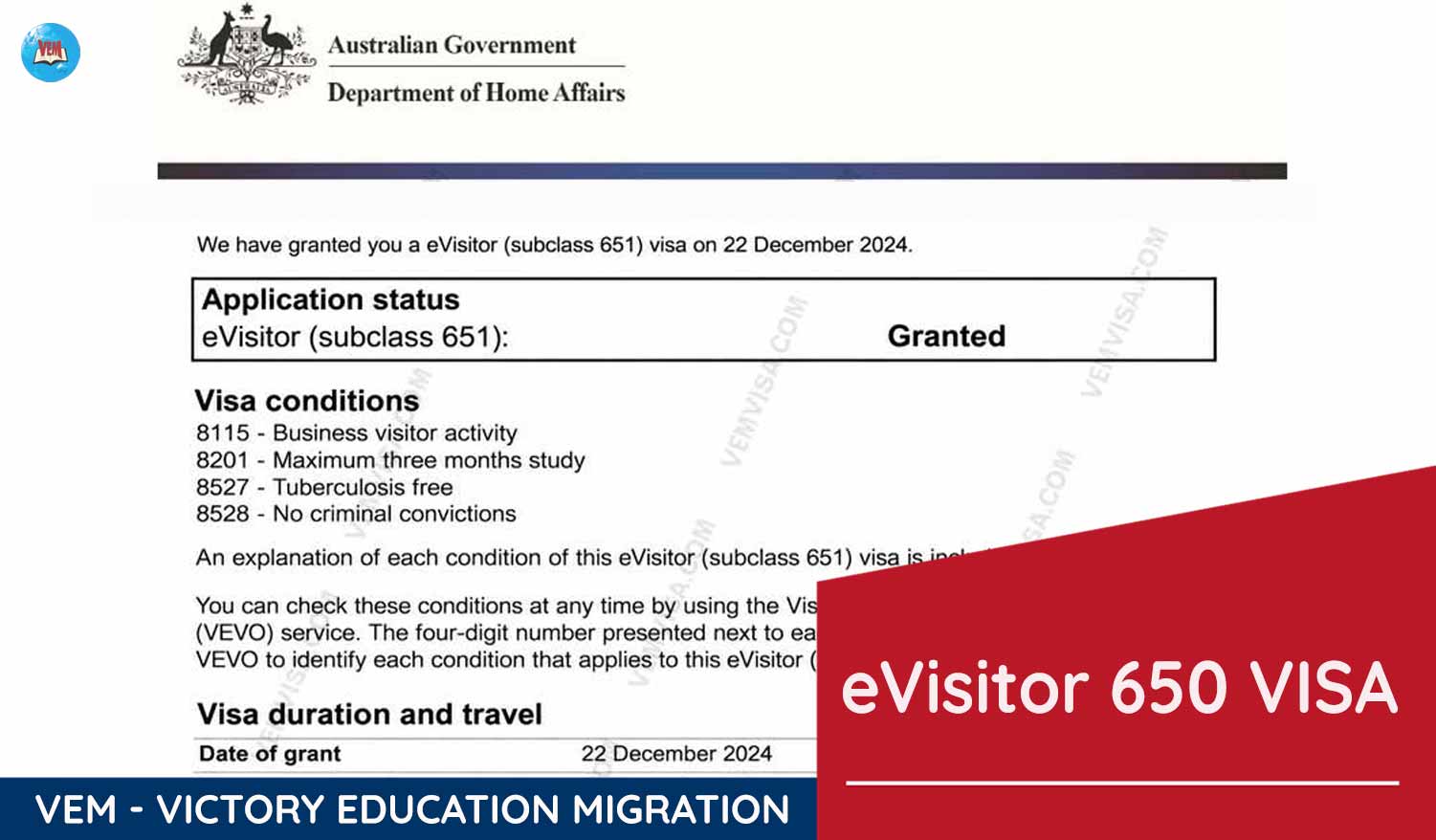
The Home Affairs processing-times overview currently reports a broad Visitor category median of less than one day. However, the Department explicitly explains that this number combines subclass 600, Electronic Travel Authority subclass 601 and eVisitor subclass 651.
ETA and eVisitor applications are often processed more quickly and can significantly influence the combined figure. Home Affairs specifically warns that subclass 600 processing can vary substantially from the faster electronic visa subclasses.
Do not mistake a combined median for a subclass 600 promise
The broad “less than one day” Visitor figure does not mean every Australian tourist visa is approved within 24 hours. For a subclass 600 application, use the stream-specific Tourist, Sponsored Family or Business Visitor figures instead.
Visitor visa 600 vs ETA 601 vs eVisitor 651
Your Australia visitor visa processing time may differ dramatically depending on whether your passport qualifies for an ETA or eVisitor. These options have separate eligibility rules, application methods and permitted stay periods.
| Visa |
Who can apply? |
Indicative processing |
Typical stay |
Government charge |
| Visitor 600: Tourist |
Available to applicants from a broad range of nationalities. |
13–35 days in the August snapshot. |
Determined by the grant; up to 12 months where approved. |
From AUD 250 offshore; from AUD 630 onshore. |
| ETA 601 |
Eligible passport holders using the Australian ETA application. |
Often under one day; additional checks can take longer. |
Up to three months per visit during the applicable 12-month period. |
AUD 20 app service charge. |
| eVisitor 651 |
Eligible European and other listed passport holders. |
Often under one day; individual cases can take longer. |
Up to three months per visit during the applicable 12-month period. |
No visa application charge. |
Passport eligibility must be checked individually. A faster electronic application does not provide permission to work, and a visitor must still satisfy Australia’s health, character and genuine-visitor requirements.
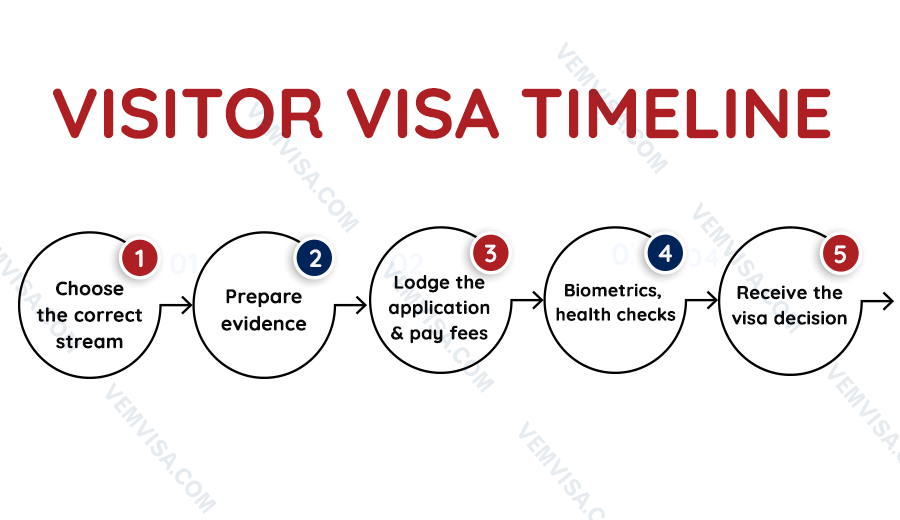
Australia visitor visa timeline
The published processing time for a visitor visa generally concerns an application after it has been lodged. Preparing documents, obtaining translations and arranging appointments can extend your real-world travel-planning timeline.
1. Choose the correct visa and stream
Confirm whether your passport supports ETA 601 or eVisitor 651, or whether subclass 600 Tourist, Sponsored Family or Business Visitor is appropriate.
2. Prepare identity, financial and travel evidence
Collect passport details, a realistic itinerary, financial records, employment or study evidence, home-country ties and invitation or sponsor documents where relevant.
3. Lodge the application and pay the charge
Submit the correct application through ImmiAccount, or use the official Australian ETA app where required. Keep your transaction and lodgement records.
4. Complete requested biometrics, health or character checks
Some applicants must attend a biometrics appointment, provide additional documents or undertake a health examination. Follow the exact instructions and deadlines provided.
5. Receive the visa decision and read the grant notice
Check whether the visa was granted, when you may travel, the maximum stay per entry, entry permissions and all visa conditions before finalising your plans.
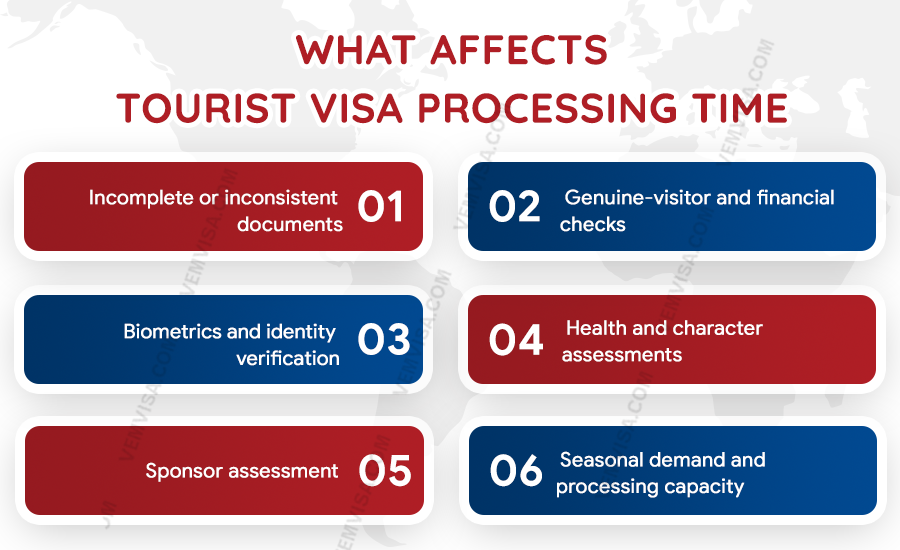
What affects tourist visa processing time in Australia?
An Australian visitor visa processing time is influenced by more than the date of lodgement. Two applicants who submit on the same day may receive decisions weeks apart.
Incomplete or inconsistent documents
Missing bank statements, unclear passport scans, inconsistent travel dates and untranslated documents can trigger further assessment or information requests.
Genuine-visitor and financial checks
Officers may examine how the trip is funded, your employment or family commitments and whether the evidence supports a temporary visit.
Biometrics and identity verification
Appointment availability, identity checks and country-specific verification requirements may add time after lodgement.
Health and character assessments
Medical examinations, police certificates and follow-up checks are not required in every case but can extend assessment when requested.
Sponsor assessment
A formal Sponsored Family application may require assessment of the sponsor, relationship evidence and, where requested, a security bond.
Seasonal demand and processing capacity
Holiday travel, school breaks, major events and local processing pressures can change the number of applications awaiting assessment.
There is no universal minimum bank balance guaranteeing a visitor visa. Financial evidence should demonstrate that your particular trip is affordable and consistent with your circumstances.
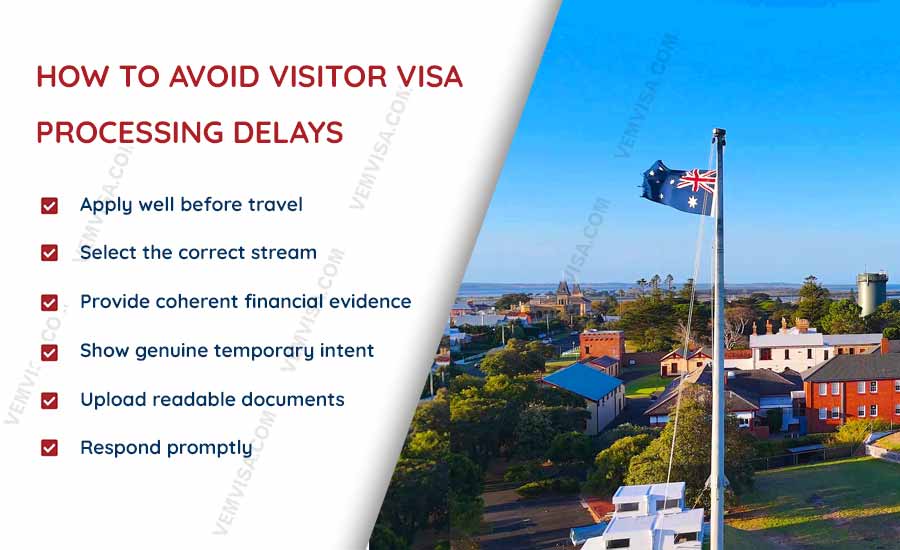
How to avoid unnecessary visitor visa processing delays
- Apply well before travel: use the 90% figure as a planning reference, then allow additional time for preparation, appointments and unexpected requests.
- Select the correct stream: an invitation from a relative does not automatically mean you need the formal Sponsored Family stream.
- Provide coherent financial evidence: explain funding sources, accommodation arrangements and any unusual recent deposits where necessary.
- Show genuine temporary intent: supply relevant employment, business, study, family or other home-country evidence appropriate to your circumstances.
- Upload readable documents: check names, passport numbers, dates and translations before lodging.
- Respond promptly: complete requested biometrics, health checks and document requests by the stated deadline.
- Avoid non-refundable commitments: a booked flight does not guarantee faster assessment or visa approval.
A complete application can reduce avoidable requests, but no consultant, airline or booking platform can promise a specific decision date.
Onshore vs offshore tourist visa processing time
Subclass 600 Tourist applications can be made under an applicable onshore or offshore pathway, but the correct option depends on where you are, the visa you currently hold and any conditions restricting a further application.
Applying outside Australia
The offshore Tourist stream government application charge starts at AUD 250. You must satisfy the relevant location requirements and wait for a visa decision before travelling where a visa is required.
Applying inside Australia
The onshore Tourist stream government charge starts at AUD 630. Check whether you can lodge validly, whether a No Further Stay condition applies and what bridging-visa arrangements are available.
The published Tourist stream processing percentiles should not be interpreted as separate promises for every onshore or offshore applicant. Individual circumstances, conditions and assessment requirements remain relevant.
A bridging visa is not automatic permission to travel
If a valid onshore application results in a Bridging Visa A, it generally becomes relevant when the current substantive visa ends. A Bridging Visa A does not provide re-entry permission; check whether a Bridging Visa B is available before leaving Australia.
How long is a tourist visa in Australia?
Questions such as “how long is an Australian tourist visa?” and “how long does a tourist visa last?” can refer to three different dates: how long the application takes to process, how long the visa remains valid for travel, and how long you can remain in Australia during a visit.
| Term |
What it means |
Example |
| Processing time |
The period between lodging the application and receiving a decision. |
A subclass 600 Tourist application is approved after 20 days. |
| Visa validity or travel facility |
The period or date during which the grant allows arrival or travel. |
A grant allows travel to Australia during a 12-month period. |
| Permitted stay |
The maximum time you may remain during an authorised visit. |
Each visit is limited to three months even though the visa has a 12-month travel period. |
A subclass 600 Visitor visa may allow a stay of three, six or up to 12 months, depending on the stream and the individual decision. ETA 601 and eVisitor 651 generally allow up to three months per visit during the relevant 12-month period.
The subclass 600 Frequent Traveller stream can have a longer travel-validity period for eligible applicants, but this does not permit continuous residence. Home Affairs states that this stream can be granted for up to 10 years, with stays of up to three months each entry and no more than 12 months in total during any 24-month period.
Practical example
A visitor receives a multiple-entry visa with a 12-month travel period and a three-month maximum stay for each visit. The 12-month validity does not mean the person can automatically remain in Australia continuously for 12 months.
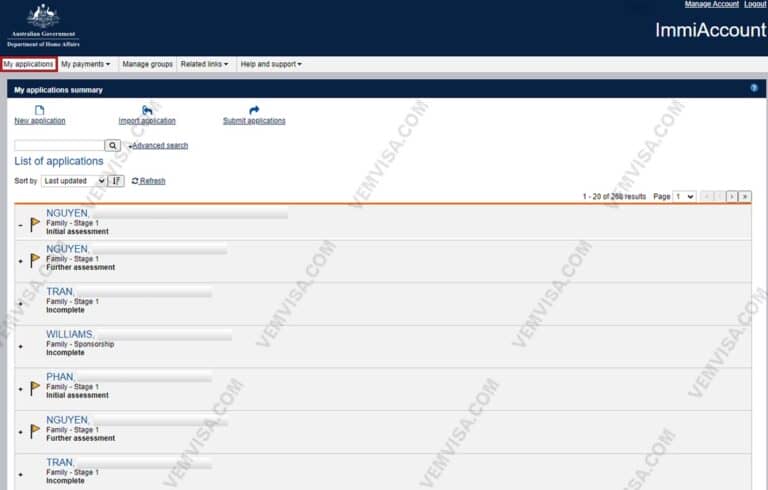
How to check your visitor visa application status
For a subclass 600 application, sign in to ImmiAccount, open the relevant application and check its status, messages and document requests. Monitor the email address attached to the application, including spam and junk folders.
- Received: the application has been lodged and is in the Department’s system.
- Initial or further assessment: the application is being examined or additional checks are continuing.
- Information requested: provide the specified documents, biometrics or other evidence within the stated timeframe.
- Finalised: review the decision correspondence to determine whether the visa was granted or refused.
Status labels and timing can differ between applications. A status update does not guarantee that a decision will follow within a specific number of days. After a grant, visa details and conditions may also be checked through VEVO where applicable.
What if your visitor visa is taking longer than expected?
If your visitor visa Australia processing time exceeds the published 90% marker, first confirm that you are comparing the correct visa subclass, stream and current processing snapshot.
Check ImmiAccount and email: look for unanswered requests, biometrics instructions and messages sent to your authorised representative.
Review your evidence: confirm whether requested financial, identity, sponsor, health or character documents were submitted correctly.
Use official contact channels where appropriate: ask about an outstanding application if circumstances justify an enquiry, while recognising that an enquiry does not guarantee priority processing.
Provide evidence of genuine exceptional urgency: compelling circumstances may be explained with supporting documents, but ordinary booked flights do not create an automatic fast-track right.
Avoid lodging duplicate applications simply because a decision is taking longer than the median. A new application can create additional fees, inconsistencies and administrative complexity without guaranteeing a faster outcome.
Need help preparing an Australian visitor visa application?
VEM can help assess the appropriate visitor visa pathway, review supporting documents, identify genuine-visitor issues and prepare a clear application before you lodge.
Speak with VEM about your visitor visa
FAQs
How long does an Australia tourist visa take to process?
In the August 2026 snapshot, 50% of subclass 600 Tourist stream applications were processed within 13 days and 90% within 35 days. Individual cases can be faster or slower, particularly if further information, biometrics or health checks are required.
Why does Home Affairs show visitor visa processing in less than one day?
The broad Visitor category combines subclass 600, ETA 601 and eVisitor 651. The faster electronic visas influence the combined figure, so it should not be treated as the processing time for a subclass 600 Tourist application.
What is the Sponsored Family visitor visa processing time?
The August 2026 snapshot indicates 43 days for 50% and 89 days for 90% of subclass 600 Sponsored Family applications. Formal sponsor assessment and any requested security bond can affect individual timelines.
How long can you stay in Australia with a tourist visa?
A subclass 600 grant may allow three, six or up to 12 months, depending on the individual decision and visa conditions. ETA 601 and eVisitor 651 generally permit stays of up to three months per visit.
Does a 12-month tourist visa allow me to stay for 12 months continuously?
Not necessarily. A 12-month travel-validity period may allow multiple entries while limiting each individual visit to three months. Your grant notice determines the entry rights, permitted stay and any cumulative-stay restrictions.
How much does an Australian Tourist visa cost in 2026?
The subclass 600 Tourist stream starts from AUD 250 for an offshore application and AUD 630 for an onshore application. ETA applications carry an AUD 20 app service charge, while the eVisitor visa has no visa application charge.
Can I speed up an Australian visitor visa application?
You can reduce avoidable delays by lodging a complete application, attending requested appointments and responding promptly to Home Affairs. There is no guaranteed standard fast-track simply because you have booked flights or want to travel soon.
Can I stay in Australia while a new Tourist visa is being processed?
If you lodge a valid eligible onshore application before your current visa expires, a bridging visa may allow you to remain lawfully after the existing visa ends. Check the actual bridging-visa grant, current visa conditions and travel restrictions; a pending application alone is not a substitute for lawful status.

 VN

 Người
đăng
 Ngày
cập nhật: